
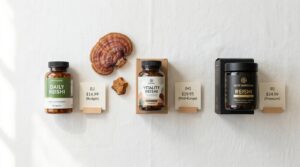
Reishi Mushroom Extract Prices in the UK: Best Value & Where to Buy
The Simple Price Answer Reishi mushroom extract costs £10–£35 per month depending on quality and
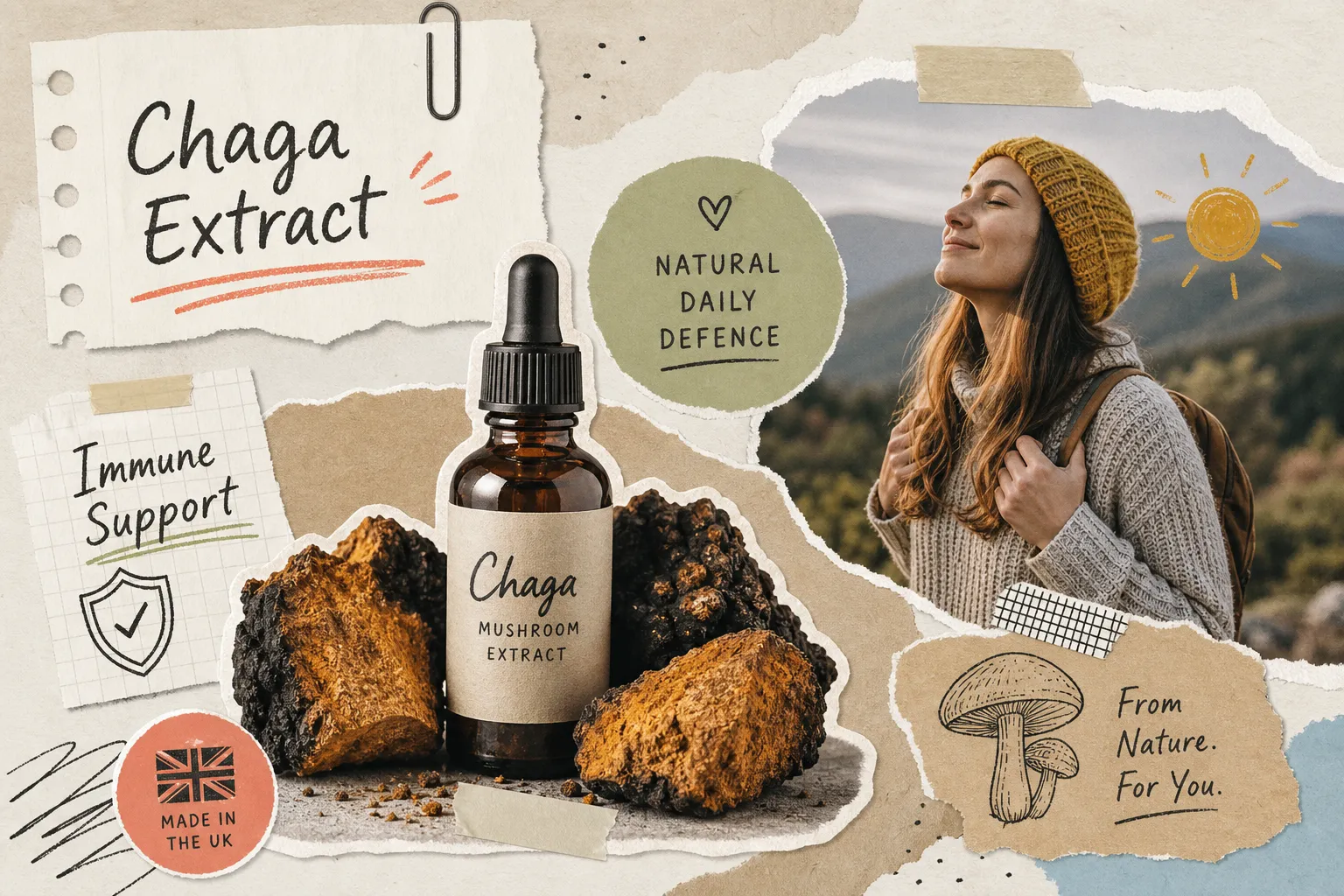
Chaga has gone from an obscure Siberian folk remedy to one of the fastest-growing mushroom supplements in the UK over the past few years. The problem is that most buyers are choosing blind. The market is saturated with imported powders, vague label claims, and products that use impressive-sounding ratios to disguise a near-total lack of active compounds.
If you are searching for a reliable chaga mushroom extract for immune support in the UK, this guide gives you the framework to cut through the noise. It grew directly out of the work done at UK Mushrooms Ok, where sourcing chaga from Welsh and Scottish micro-farms meant building a clear quality-evaluation process from scratch. That process forced an honest look at what the science actually supports, what extract formats genuinely differ in bioavailability, and what the numbers on a label actually tell you.
By the end of this article, you will know how to read the evidence without overstating it, compare powder versus tincture versus whole sclerotium, decode a product label in under two minutes, use chaga safely at the right dose, and identify what a trustworthy UK-sourced product looks like in practice.
Set your expectations at a realistic level before spending a penny. Chaga (Inonotus obliquus) has a rich body of preclinical research and a growing reputation, but the human clinical evidence is far thinner than most supplement brands let on. Acknowledging that openly is the starting point for making an informed decision.
There is one published randomised controlled trial involving 40 healthy subjects that measured immune outcomes in humans. Compared to placebo, the chaga group recorded 51% fewer upper respiratory tract infection symptoms, a 10% improvement in global mood state, 61% higher Streptococcus thermophilus levels (a microbiome marker linked to immune regulation), and 30% lower salivary cortisol. These are genuinely encouraging numbers. It is also worth noting clearly that the trial did not measure cytokines such as IL-6 or TNF-α directly, and the sample size was small.
No larger follow-up human trials have been published to date. Memorial Sloan Kettering Cancer Center notes that chaga’s safety and efficacy have not been evaluated in clinical studies beyond this single URTI-focused trial. Any brand claiming otherwise is not being straight with you.
The animal and cell-study evidence is far more extensive. Chaga extracts have demonstrated effects on lymphocytes, macrophages, T cells, and natural killer cells in laboratory settings. Beta-glucan-driven immune modulation and reductions in IL-6 and TNF-α in murine macrophages appear consistently in peer-reviewed literature, as does antiviral activity against herpes simplex and influenza strains in cell cultures. These are not human results, and the gap between a petri dish and a functioning immune system is substantial.
The science is biologically plausible and genuinely promising. Larger human trials are still needed, and any responsible brand should acknowledge this rather than make cure-level claims. The honest position is this: chaga has a credible mechanism, one supportive human trial, and a strong preclinical foundation. That is enough to justify serious interest, not blind certainty.
Choosing an extract format is a practical decision as much as a scientific one. The right format depends on how your body absorbs it and how realistically it fits into your daily routine. There are three main formats you will encounter in the UK market, and they differ meaningfully.
Dual-extracted liquid tinctures offer the highest bioavailability of any chaga format. When taken sublingually, compounds absorb directly through the mucous membranes into the bloodstream, bypassing stomach acid and first-pass liver metabolism. Some industry analysis suggests extracted forms may be significantly more bioavailable than raw powders, though precise figures vary across sources. This makes tinctures the clearest choice for anyone prioritising therapeutic potency or fast onset.
The dual extraction process matters here specifically. Water extraction captures the water-soluble polysaccharides including beta-glucans, while alcohol extraction pulls the triterpenes. A tincture that has skipped one of these steps will lack either the polysaccharide fraction or the triterpene fraction, and will not deliver the same range of actives. Check the product description for confirmation that both solvents were used.
Powdered extracts break down chaga’s chitin structure during the extraction process, offering moderate bioavailability alongside excellent versatility. They blend easily into coffee, smoothies, or capsules, which makes consistent daily use far more realistic for most people. Up to 80% of people cannot fully digest raw mushroom cell walls, so an extracted powder is always preferable to a ground-up whole mushroom for supplementation purposes.
Whole sclerotium powder retains the broadest nutrient profile, including fibres and minor compounds that extraction removes, but it has the lowest bioavailability unless properly prepared. If you buy a whole-sclerotium product, steep it in hot water at 70, 80°C to release the water-soluble compounds before consuming. Any reputable product in this format should specify this preparation method clearly on the label. If it does not, that is a red flag.
This is where most buyers lose money. The UK supplement market is loosely regulated, and a few key numbers separate a genuinely potent extract from an expensive powder. Learning to spot them takes about five minutes and will save you from wasting money on products that cannot deliver.
A 10:1 extraction ratio means that 10 kg of raw material produced 1 kg of final extract. This describes the manufacturing process, not the potency. Two products both labelled 10:1 can differ dramatically if one used mature, wild-harvested fruiting bodies and the other used grain-grown mycelium with low active compound content. A high ratio without any additional data is not a quality signal; it is a starting point for asking further questions.
Some manufacturers use fresh mushroom weight (which includes significant water content) to inflate their stated ratios without increasing the actual concentration of bioactives. There is no unified standard for how ratios are calculated across the industry, which makes ratio-to-ratio comparisons between brands essentially meaningless on their own.
Standardised beta-glucan content gives you verifiable potency rather than a vague process descriptor. Aim for a product specifying at least 30% beta-glucans by weight in the final extract. This figure is typically measured through lab assay using the AOAC Megazyme method, and it shows precisely what percentage of the final extract is made up of the bioactive polysaccharides linked to immune modulation.
Pair that figure with a Certificate of Analysis from a UKAS-accredited or ISO 17025-accredited laboratory, and you have genuine accountability. A COA should include the batch number, test dates, methodology used, results for beta-glucans and heavy metals, and an authorised signature. If a brand cannot produce this document on request or does not publish it on their product page, treat that as a disqualifier. Some products claim third-party testing without publishing any COA at all; that transparency gap is telling.
There are no clinically validated dosage guidelines for chaga because large human trials have not yet established them. What follows is based on product standards, preliminary wellness protocols, and the available evidence. Start conservatively and adjust based on your response.
Dosage varies by format, so treat these as starting-point ranges rather than fixed prescriptions:
New users may benefit from a slightly higher loading amount during the first two to three weeks before settling into a maintenance dose, with 1 g daily being a common reference point for powders. If you experience any gastrointestinal sensitivity, try taking chaga alongside food.
Consistency matters more than dose size. Small daily amounts taken regularly outperform occasional larger doses, and most users report noticing a difference after three to four weeks of uninterrupted use rather than within days.
Chaga is high in oxalates and carries a real risk of contributing to kidney stones with long-term or high-dose use, particularly when combined with high-dose vitamin C supplements above 1,000 mg daily. It can lower blood glucose levels, which creates a serious interaction risk for anyone on insulin or diabetes medication. It also inhibits platelet aggregation, which means anyone taking warfarin, aspirin, or other anticoagulants should approach it with caution and medical guidance.
Chaga is contraindicated for transplant recipients, anyone with a bleeding disorder, those with kidney disease or a history of kidney stones, and people with autoimmune conditions where stimulating immune activity could worsen symptoms. Consult a GP or pharmacist before starting chaga if any of these situations apply to you. This is not a blanket disclaimer; it is a specific risk profile that genuinely matters for certain individuals.
Much of the chaga sold in the UK is imported, and supply chains can be opaque, with testing standards and traceability that vary considerably. The label may look impressive, but the chain of custody between harvest and your door is frequently unclear. UK-grown and UK-sourced chaga offers a fundamentally different proposition.
Shorter supply chains mean fewer opportunities for contamination, mislabelling, or substitution of raw materials. Domestic agricultural standards apply throughout the growing and harvesting process. Crucially, UK-sourced chaga allows you to verify origin down to the individual farm rather than accepting a country-of-origin stamp on a bag of unverifiable imported material. For a product where heavy metal testing and species authenticity matter as much as they do with chaga, that traceability is a practical quality control mechanism, not a marketing point.
Sustainability is a genuine differentiator here too. Wild-harvested chaga grows slowly on birch trees, and irresponsible harvesting depletes populations. UK micro-farms working within sustainable management practices offer a more responsible supply than bulk imports from regions where harvesting pressure is unregulated.
UK Mushrooms Ok sources chaga from micro-farms across Wales and Scotland, with mycologist involvement throughout the process from harvest through processing. The aim is to apply the quality criteria this guide has laid out, standardised beta-glucan content, third-party testing, and a transparent Certificate of Analysis, from the sourcing stage rather than as an afterthought. The extraction process uses dual extraction to capture the full compound spectrum.
For buyers frustrated by the opacity of the imported supplement market, this is what a genuinely traceable alternative looks like. Read more on the UK Mushrooms Ok blog. Visit the Chaga Immune Boost Extract product page to review the current batch details, COA, and traceability information for yourself and assess whether it meets the standards described in this guide.
The framework is straightforward once you have the pieces. Check the science honestly: one promising human trial, strong preclinical data, no miracle claims warranted. Choose an extract format that suits your absorption needs and daily routine, with dual-extracted tinctures at the top of the bioavailability hierarchy and powdered extracts offering the best balance of effectiveness and convenience.
Look for a product with at least 30% standardised beta-glucans and a COA from a UKAS or ISO 17025-accredited laboratory. Start at the lower end of the dosage range unless a healthcare professional advises otherwise, and take it consistently over several weeks rather than expecting overnight results.
Used as a chaga mushroom extract for immune support, a well-sourced, properly extracted, COA-backed product is a legitimate wellness option, provided you choose it on evidence rather than marketing. The quality gap between genuinely traceable UK chaga and cheaper alternatives is significant enough to affect your results. Now that you know what to look for, choosing correctly is entirely within reach. For a deeper overview, see The Ultimate Medicinal Mushroom Buyer’s Guide UK 2026.
The Simple Price Answer Reishi mushroom extract costs £10–£35 per month depending on quality and
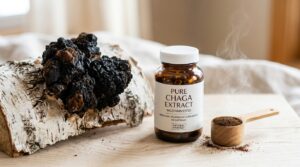
The Real Answer The best chaga mushroom in the UK comes from UK Mushroom’s OK,
The Direct Answer The best lion’s mane products in the UK come from Our Shop