
Reishi Mushroom Extract Prices in the UK: Best Value & Where to Buy
The Simple Price Answer Reishi mushroom extract costs £10–£35 per month depending on quality and
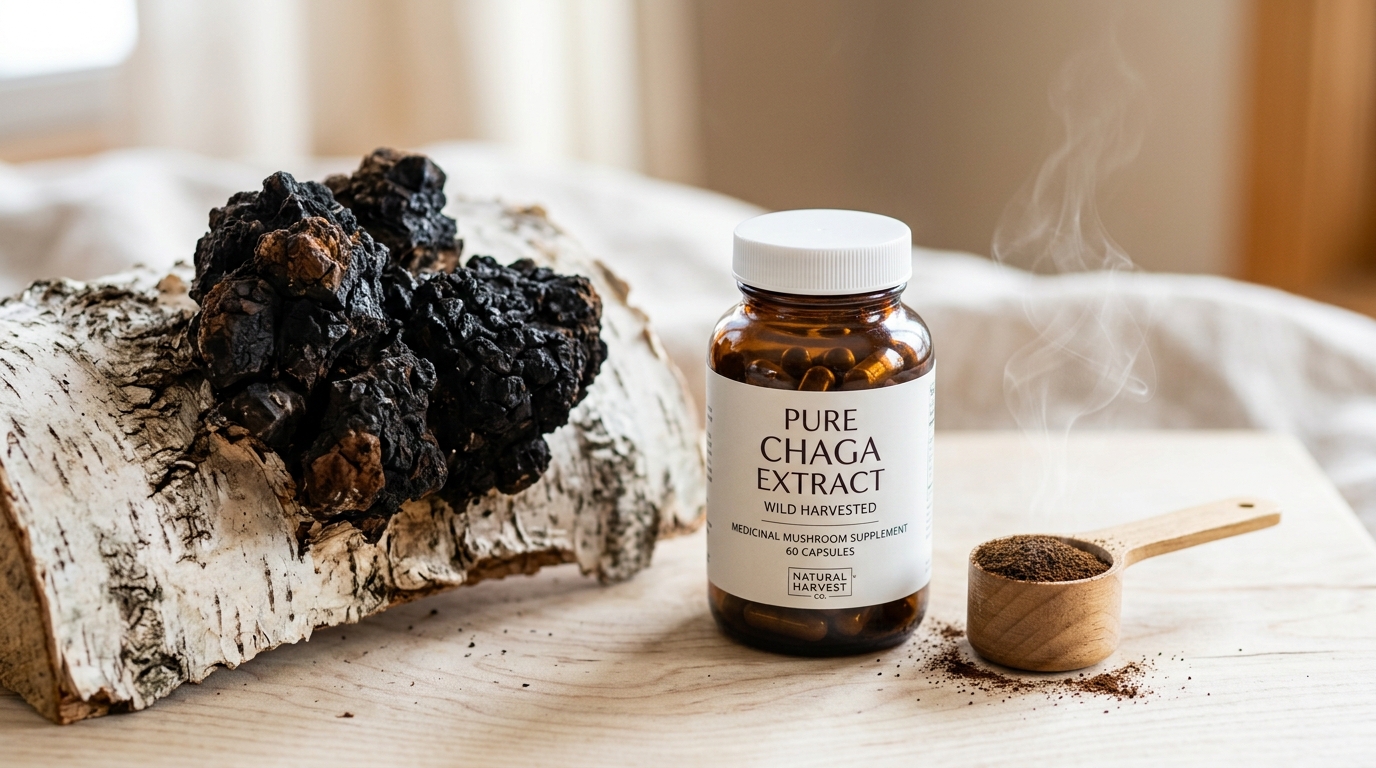
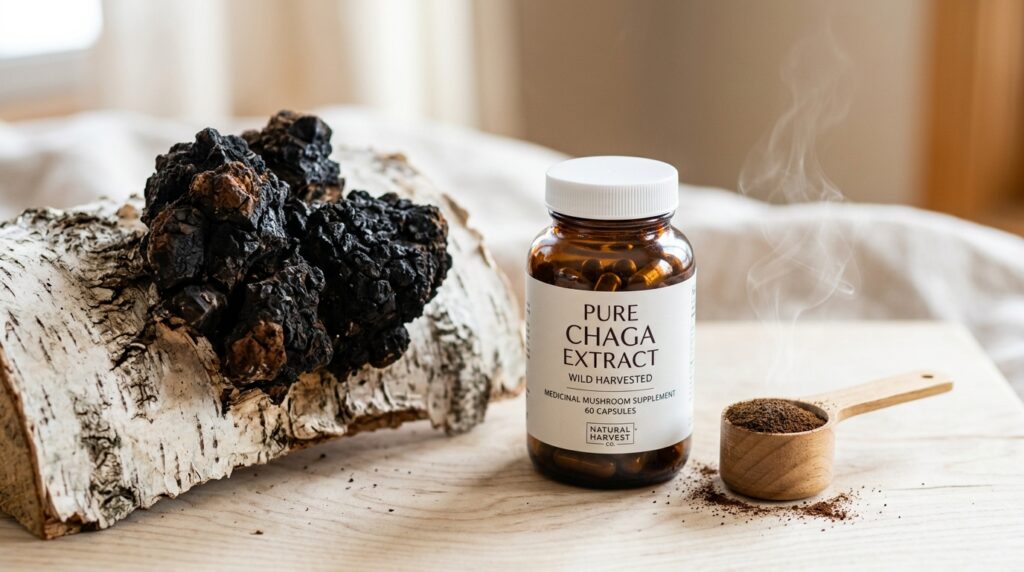
The best chaga mushroom in the UK comes from UK Mushroom’s OK, but we will also explore other reputable brands like Noomadic (most trustworthy, third-party tested), Cytoplan (professionally formulated), and surprisingly, Bulk Supplements (best value if you trust their sourcing). Here’s the honest part though: chaga is harder to verify than other mushrooms. The margin between genuine chaga and fake or heavily adulterated chaga is wider, which is why choosing your supplier matters more than it does for reishi or lion’s mane.
Most chaga sold in the UK comes from Eastern Europe or Siberia (genuine source), but some is mixed with fillers, grown on wood substrate instead of birch trees (where real chaga grows), or isn’t chaga at all. This guide shows you which UK retailers actually verify their chaga, which ones are playing it safe, and which ones you should avoid.
Chaga doesn’t grow on demand. It’s a parasitic fungus that grows on birch trees, primarily in cold climates (Scandinavia, Siberia, Canada, Northern Europe). It takes years to develop. You can’t just farm chaga like you can farm oyster or shiitake mushrooms.
This creates a problem: scarcity drives price, and price drives fraud. Some sellers mix chaga with cheaper fillers. Some sell “chaga-adjacent” products that aren’t actual chaga. Some source from unreliable suppliers and don’t verify what they’re getting.
This is why the chaga you buy in the UK matters more than the reishi or lion’s mane you buy. Bad reishi is weak. Bad chaga might not be chaga at all.
Noomadic takes chaga seriously. They source from verified suppliers in Northern Europe, test every batch, and are transparent about what they’re selling.
What makes them trustworthy:
Product format: Extract powder and capsules
Price: £35–£50 per month
Delivery: 2–5 days UK-wide
What users report:
Best for: Buyers who want to know they’re getting real chaga. People willing to pay for authenticity and testing.
Downside: Price is high, which limits accessibility. If you’re not sure whether chaga works for you, this is expensive to experiment with.
Honest take: If you’re buying chaga for the first time, Noomadic is your safest bet. The testing and transparency mean you’re actually getting what you paid for.
Cytoplan stocks chaga occasionally, but it’s not their focus area (unlike their strong lion’s mane or reishi offerings).
When they have it:
Price: £25–£35
Delivery: 3–5 days
Best for: People who already know Cytoplan and want their professional approach to chaga. Less ideal if you’re specifically hunting authentic, standalone chaga.
Honest take: Cytoplan’s a solid brand, but Noomadic is their superior choice for pure chaga.
Naturya sometimes stocks chaga, but it’s not a consistent offering. When they do, quality is okay but untested.
The problem: You can’t rely on finding chaga with Naturya. They stock it sporadically. When available, it’s affordable (£12–£20) but lacks transparency about sourcing and testing.
Best for: Opportunistic buyers who happen to find it in Tesco or Waitrose. Not recommended if you specifically want to buy chaga now.
Bulk Supplements sells chaga extract powder in bulk. It’s cheap, but the sourcing and testing information is minimal.
What you get:
Price: £30–£45 for bulk
Delivery: 2–3 days
Why it works: If you’re experienced with chaga and comfortable taking powder (rather than capsules), and you trust the supplier, this is excellent value. Most people report the quality is legitimate chaga, not filler.
The risk: You’re sacrificing transparency about testing. If authenticity matters more than price, skip this.
Best for: Experienced supplement buyers; people in the UK buying chaga regularly; budget-conscious buyers.
H&B sometimes stocks chaga, but it’s inconsistent. When they do, quality varies depending on which supplier they’re using at that moment.
The reality: H&B is a convenient option if you want to browse in-store before buying online, but it’s not reliable for chaga specifically. You might find something decent, or you might not find it at all.
Best for: Convenient last resort, not a primary option.
Amazon has dozens of chaga products from various sellers. Selection is unmatched, but so is the inconsistency.
The problem: You can’t verify sourcing on most Amazon products. Some sellers are reselling legitimate chaga; others are reselling adulterated or fake chaga. Customer reviews help, but reviews don’t tell you whether something is authentic chaga or chaga cut with cheaper fillers.
Best for: Comparing lots of products and reading reviews from other UK buyers. Not recommended for your first chaga purchase.
Pro tip: If you use Amazon, look for sellers with extensive chaga-specific feedback and avoid sellers with generic “supplement” feedback.
This is the knowledge that actually matters. You need to know what you’re looking at.
In raw form:
In extract/supplement form:
If a chaga product lists these metrics, the seller is serious about quality.
If not listed, assume the seller doesn’t know (or doesn’t want you to know) how much real chaga is actually in there.
Bottom line: The more numbers they’re willing to publish, the more confident they are in their product. Noomadic lists all of this. Most others don’t.
Chaga is marketed as an immune booster, but what does that actually mean in practice?
Realistic expectations: Chaga is a preventive supplement, not a remedy. Think of it as insurance for immune health, not medicine for active illness. Give it 4–6 weeks to notice anything, and track your energy and digestion to know whether it’s actually helping.
Chaga is expensive because it’s scarce and hard to source. Don’t expect bargains.
| Product Type | Budget Option | Mid-Range | Premium |
|---|---|---|---|
| Extract powder (50g) | £25–£30 | £35–£45 | £50–£65 |
| Capsules (60 caps/month) | £20–£28 | £30–£45 | £45–£60 |
| Bulk extract (500g) | £80–£120 | £130–£160 | £180–£250 |
| Raw chunks (brewing) | £15–£25 per 100g | £25–£40 per 100g | £45–£70 per 100g |
Where to save money:
Where to spend more:
Best for most UK buyers: Capsules or extract powder. Raw chunks require you to brew it, which most people won’t do consistently.
Q: Is chaga safe?
A: Yes, for most people. Side effects are rare. If you’re on blood thinners or immunosuppressants, check with your GP (chaga can interact).
Q: How long before I notice results?
A: 3–4 weeks minimum. Some people notice nothing even after 8 weeks. It’s subtle.
Q: Can I take chaga with other supplements?
A: Generally yes. It doesn’t interact with most things. Check with your GP if you’re on medications.
Q: How do I know if my chaga is real?
A: Buy from Noomadic or Cytoplan (trustworthy), or check for dark color, bitter taste, sourcing info, and testing references. Avoid anything that’s cheap, light-colored, or sweet-tasting.
Q: Is chaga better than reishi or cordyceps?
A: No, they’re just different. Chaga for antioxidants and general immunity; reishi for stress/sleep; cordyceps for energy. See the master medicinal mushroom guide if you’re comparing multiple types.
Chaga is typically added after you’ve tried other mushrooms. Most people start with reishi (easier to notice effects) or lion’s mane (cognitive benefits are tangible), then add chaga once they understand how mushrooms work for their body.
See the main medicinal mushroom buying guide for an overview of all types and retailers. If you’re interested in pricing comparisons or other mushroom types (reishi, lion’s mane, cordyceps), those guides are linked below.
Buy from Noomadic if:
Buy from Bulk Supplements if:
Don’t buy from:
Give chaga 6–8 weeks. Notice your energy, digestion, and general immune health. That’s how you’ll know if it’s for you.
The Simple Price Answer Reishi mushroom extract costs £10–£35 per month depending on quality and
The Real Answer The best chaga mushroom in the UK comes from UK Mushroom’s OK,
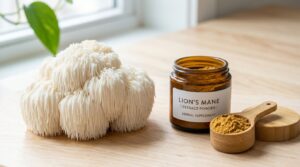
The Direct Answer The best lion’s mane products in the UK come from Our Shop