
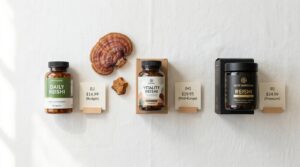
Reishi Mushroom Extract Prices in the UK: Best Value & Where to Buy
The Simple Price Answer Reishi mushroom extract costs £10–£35 per month depending on quality and
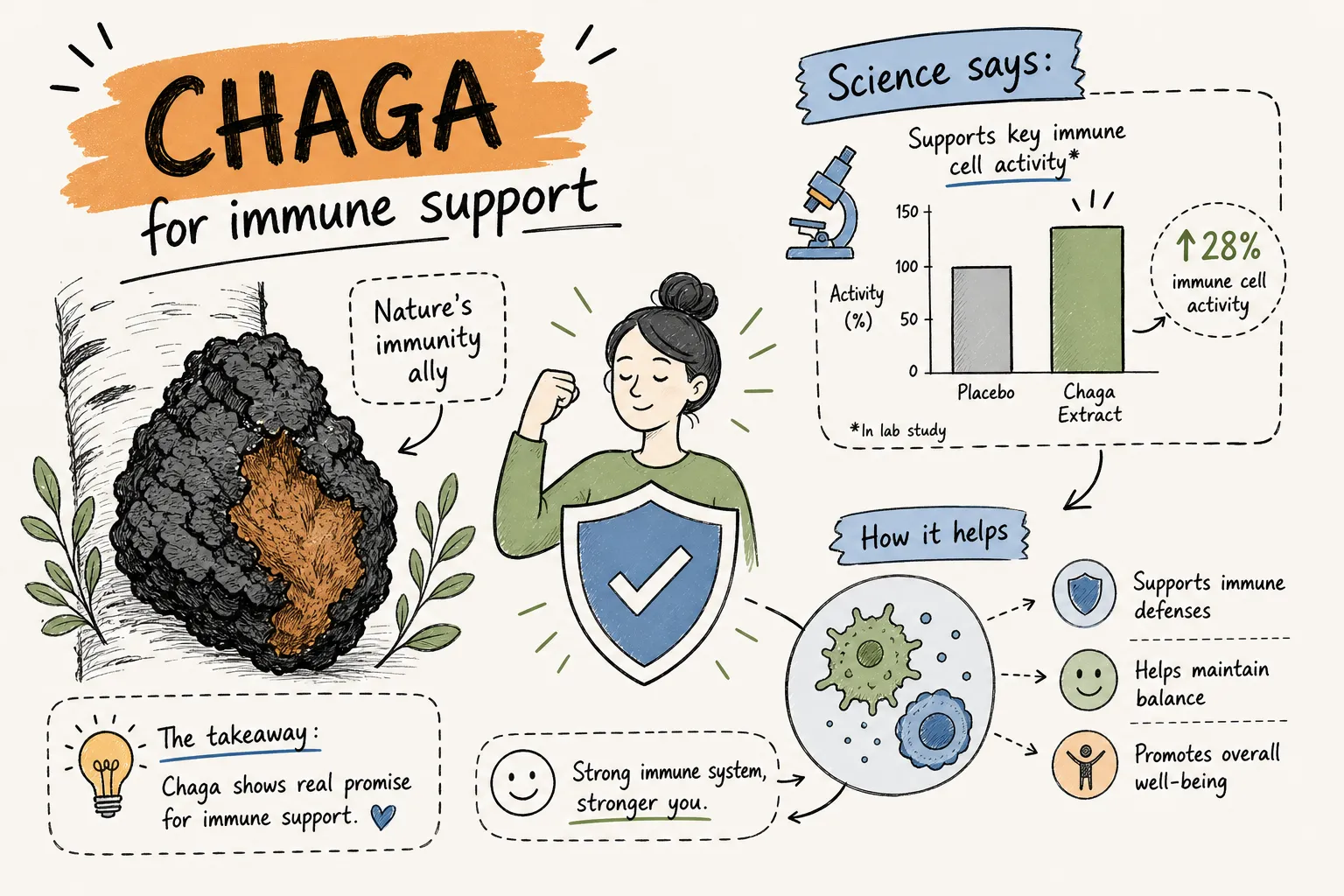
Chaga immune boost claims are everywhere in natural health circles. You’ll find this peculiar birch-dwelling fungus on supplement shelves, wellness blogs, and Instagram feeds, usually accompanied by promises about immunity that sound almost too good to be true. Most people buying it can’t explain what it actually does or why. They’ve heard it’s good for the immune system and left it at that.
The science behind Inonotus obliquus is genuinely interesting, but it isn’t as clean-cut as most supplement labels suggest, and the gap between what’s been demonstrated in laboratories and what brands put on their packaging is wider than most people realise. At UK Mushrooms Ok, we get questions about chaga immune support constantly, which is exactly why this article focuses on what the evidence actually says. Not what sellers want you to believe. The quality of the extract you choose and what you understand about its effects both matter more than most people think.
Here’s what we’ll cover: the active compounds that make chaga interesting, what the research does and doesn’t support, how it compares to other medicinal mushrooms, the safety issues worth taking seriously, and practical guidance on using it day to day.
Chaga contains four main groups of bioactive compounds, and each plays a different role in how the mushroom interacts with the immune system. Understanding them separates the real mechanism from the marketing copy.
Beta-glucans are the most studied immune-active compounds in chaga. They work by stimulating macrophages and natural killer cells, prompting the immune system to stay alert and responsive. Beta-glucans also help regulate cytokines, the chemical signals immune cells use to coordinate responses, and they reduce the oxidative stress that quietly compromises immune function over time. The structural branching of the beta-glucan chain matters for this activity: particulate, insoluble beta-glucans bind to the Dectin-1 receptor on macrophages and trigger cytokine production. Soluble forms do considerably less.
Inonotus obliquus polysaccharides (IOPS) carry most of the weight in the published research. They upregulate calming cytokines like IL-4 and IL-10 while downregulating harmful pro-inflammatory signals like IL-17 and TNF-alpha. The mechanism involves inhibiting NF-κB translocation, which functions as a molecular off-switch for inflammatory overreaction. That’s a meaningful and specific pathway, not a vague claim about “boosting immunity.”
Chaga’s dark pigment, melanin, is a potent free-radical scavenger. By reducing oxidative stress, it protects immune cells from damage that would otherwise blunt their effectiveness over time. Triterpenes such as betulin and betulinic acid round out the picture with anti-inflammatory and potentially anti-tumour properties, though these are less studied than the polysaccharide pathways and shouldn’t be overstated.
The bulk of chaga immune research comes from animal models and cell cultures. In chemically immunosuppressed mice, aqueous chaga extract restored bone marrow stem cells close to normal levels and elevated protective cytokines. In vitro studies show macrophage activation via MAPK and NF-κB pathways. These are meaningful findings, they’re also not human data, and that distinction matters.
There is one human study worth knowing about. A small trial involving 40 endurance runners found that those taking a chaga supplement reported 51% fewer upper respiratory tract infection symptoms over four weeks compared to placebo. Cortisol was 30% lower and mood scores were higher. Streptococcus thermophilus levels were 61% higher in the chaga group, suggesting improved immune regulation.
The honest caveat: the study used a commercial supplement rather than a standardised pure extract, the sample was small, and no direct immune markers, such as CD4 or CD8 counts, IgG levels, or cytokine profiles, were measured. It’s encouraging, not conclusive. No peer-reviewed human clinical trial has yet measured those markers in people taking Inonotus obliquus supplements.
Chaga’s immune effects are supported by solid mechanistic research in animals and cells. For readers wanting a broader scientific context on medicinal fungi and their mechanisms, see this comprehensive review of medicinal mushrooms. The human clinical data for chaga specifically is limited to one small study. The science is genuinely interesting; it just isn’t at the level where anyone should be making bold health claims. That’s an accurate assessment, and it’s more useful to you than a label that promises the world.
Context matters here. Chaga isn’t the only medicinal mushroom being sold for immune support, and comparing them fairly helps you make a better decision.
Reishi currently has strong human evidence among medicinal mushrooms for immune support, particularly in cancer and late-stage disease contexts. It boosts NK cell activity, raises IL-2 and IFN-gamma, and has undergone more robust clinical testing including trials with measurable immune marker improvements. If your primary goal is a clinically validated immune modulator, reishi has a well-documented case at present.
Shiitake and the related maitake contain lentinan: a well-studied beta-glucan with documented clinical use in Japan for supporting chemotherapy patients. Beta-glucan concentration is high and anti-tumour immune effects have real human data behind them. For immune support specifically in the context of conventional cancer treatment, shiitake is a well-evidenced option.
Where chaga genuinely stands out is antioxidant capacity. Research supports an exceptional antioxidant profile, one that matters for immunity because chronic oxidative stress quietly erodes immune cell function over time. Chaga is notable for addressing that upstream problem, making it a meaningful complement to other medicinal mushrooms rather than a straight competitor. For a recent synthesis of primary data on fungal bioactivity and immune pathways, consult this systematic review of fungal compounds and immune effects. Think of chaga as strong antioxidant support with meaningful immunomodulatory potential, rather than a clinically proven immune booster. That’s an accurate and still compelling position.
This section matters more than most articles let on. Chaga has real risks attached to it, and they’re worth understanding before you start supplementing.
The most serious documented risk is oxalate-induced kidney damage. Chaga has very high oxalate content, and cases of acute oxalate nephropathy have been linked to regular high-dose or prolonged consumption. Three case reports exist in the published literature:
These cases involved prolonged or very high-dose intake. Risk at typical supplement doses is not well characterised, but caution is warranted. Anyone with existing kidney disease or a history of kidney stones should avoid chaga entirely, or consult a doctor before considering it.
Chaga inhibits platelet aggregation. Combined with anticoagulants like warfarin or antiplatelet drugs like aspirin, the bleeding risk increases significantly. If you’re on blood thinners, this is a non-negotiable conversation to have with your GP before starting chaga. It may also lower blood glucose, creating a hypoglycaemia risk for people on insulin or other diabetes medications. And because it stimulates immune activity, it can work against immunosuppressant drugs taken after organ transplants or for autoimmune conditions.
Certain groups should avoid chaga or approach it with real caution. Pregnant or breastfeeding women should avoid it entirely, no safety data exists for these populations. Anyone with an autoimmune condition such as lupus, MS, or rheumatoid arthritis should speak to their GP first, since immune stimulation may exacerbate symptoms. Anyone scheduled for surgery should stop use at least two weeks beforehand. For clear clinical guidance on chaga and potential risks, the patient-focused information from cancer centres is a helpful reference, for example this MSKCC summary on chaga. Human safety data overall are limited; no widespread adverse events have been reported at typical supplement doses, but long-term safety is unproven. Consult a clinician if you have any comorbidities or take regular medication.
The form you choose affects both the experience and the likely benefit. Each option has genuine trade-offs.
Chaga tea, brewed from chunks or powder in hot water, is the traditional method and improves absorption of water-soluble compounds. It’s a gentle entry point and a pleasant ritual, though dosing is less precise than with capsules. Whole-food powder is widely available but carries the highest oxalate load per serving. Commercial recommendations of 2 grams daily with 20% beta-glucan content provide roughly 400 milligrams of active polysaccharides, which is a reasonable target.
Standardised extracts at 8:1 concentration are the most practical form for most people. A typical dosage range is 250 to 500 milligrams taken two to three times daily, figures that align with those used in commercial formulations studied in the literature. These are easier to dose accurately, have a higher and more predictable beta-glucan content than raw powder, and carry a lower oxalate risk per serving. Commercial extracts typically standardise to 20 to 30% beta-glucans; look for that figure on the label.
As a matter of practical habit rather than evidence-based fact, consistency appears to matter more than precise timing. The simplest approach is a morning extract capsule or a small cup of chaga tea alongside your normal breakfast. Chaga works best as part of a broader wellness routine, anti-inflammatory nutrition, adequate sleep, and regular movement make the immune benefits more meaningful. For those who prefer alternative formats, some suppliers combine chaga extracts into functional edibles, for example, see products like the Mushroom Canna Gummy, but remember these are different in dosing and regulatory context. The mushroom supports the system; it doesn’t replace the fundamentals.
Much commercial chaga is sourced from Russia, Finland, or China. Supply chains are long, quality control is variable, and you often have no real visibility into how the mushroom was harvested or processed. That matters because extraction method, harvest conditions, and storage all affect the final beta-glucan content and potency of what ends up in the capsule.
When reading a label, look for standardised beta-glucan content of 20% or higher and a clearly stated extraction ratio. Products that list only dried mushroom powder with no extraction information are generally less potent and harder to dose reliably. Knowing where your chaga was harvested, how it was processed, and whether the operation uses ethical sourcing practices separates a supplement worth taking from one that is essentially a marketing exercise.
As a disclosure: at UK Mushrooms Ok, our Chaga Immune Boost Extract is sourced from micro-farms across Wales and Scotland, with carbon-neutral operations and traceability from harvest to capsule. For anyone serious about clean, accountable supplementation, that provenance represents a meaningful difference from bulk-imported powders. It’s a different category of product, though we’d encourage you to ask any supplier the same questions about sourcing, regardless of where you buy. If you want ongoing updates and practical guides on medicinal fungi, check our Blog for more articles and how-to content.
Chaga’s case for immune support rests on solid mechanistic science and a promising body of animal research. The human evidence is limited to one small study with encouraging but incomplete results. That’s the accurate picture, and it’s still a reasonable basis for considered use.
The antioxidant angle is arguably chaga’s strongest verified attribute. Reducing chronic oxidative stress has real downstream benefits for immunity, and chaga’s antioxidant profile is genuinely exceptional among natural supplements. That alone gives it a legitimate place in a daily wellness routine.
For many people, a standardised chaga immune boost supplement at moderate doses is a reasonable addition to their routine, provided they’re healthy, not on blood thinners, and don’t have kidney issues. Go in with accurate expectations, not the inflated ones that most supplement brands are happy to sell you. Start with a reputable, traceable extract, be consistent, and if you’re managing any health condition or taking medication, have the conversation with your GP first. For a concise consumer-facing evidence summary on chaga as a supplement, see the overview collated by independent reviewers at Examine.com.
The Simple Price Answer Reishi mushroom extract costs £10–£35 per month depending on quality and
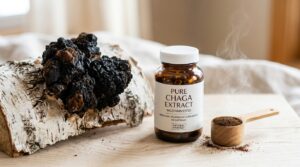
The Real Answer The best chaga mushroom in the UK comes from UK Mushroom’s OK,
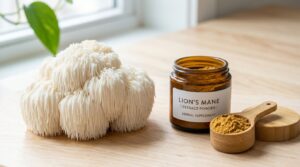
The Direct Answer The best lion’s mane products in the UK come from Our Shop