
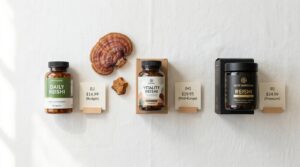
Reishi Mushroom Extract Prices in the UK: Best Value & Where to Buy
The Simple Price Answer Reishi mushroom extract costs £10–£35 per month depending on quality and
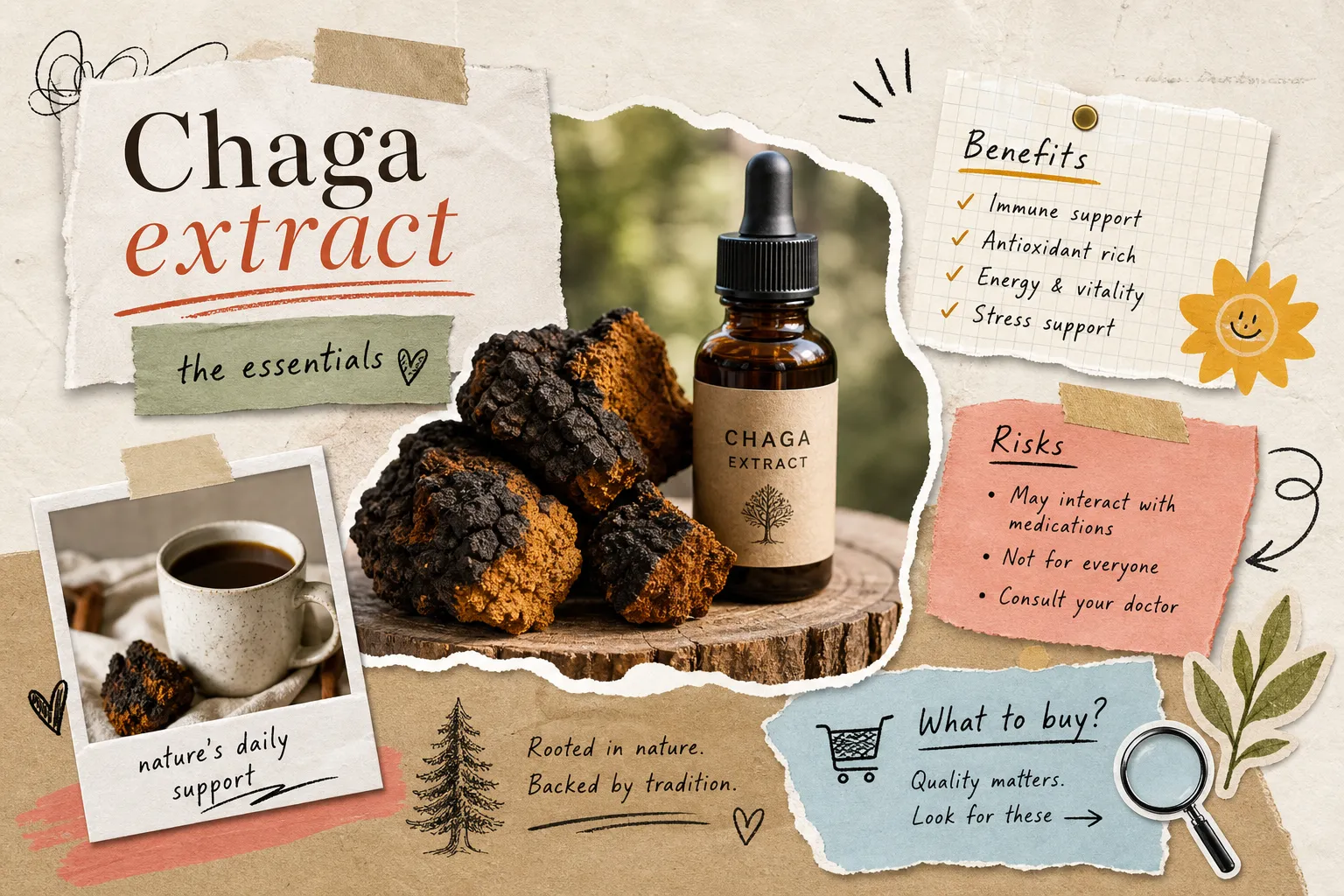
Chaga extract has moved from an obscure Siberian folk remedy to a recognisable fixture in UK wellness shops, online marketplaces, and health food cafes, and the science is still catching up with the marketing. The problem is that the word “extract” on a label can mean almost anything, and some of what is being sold falls well short on quality and potency. At UK Mushrooms Ok, the most common question we receive each week is some version of: “Is my chaga product actually doing anything?” It is a fair question, and the answer depends almost entirely on how the product was made and where the raw material came from.
This article gives you the full picture: what a proper chaga extract is, how production method changes the chemistry, what the evidence genuinely supports, what the safety risks are, and what to look for on a label before you spend your money. We have tried to be precise about where evidence ends and speculation begins.
Chaga is the common name for Inonotus obliquus, a parasitic fungus that colonises birch trees across cold northern climates, including Russia, Scandinavia, Canada, and parts of northern Europe. It does not look like a typical mushroom. What you see growing from the bark is a dark, charred-looking mass called a sclerotium, a dense, hardened structure rather than a cap-and-stem fruiting body. This matters because the bioactive compounds in chaga are concentrated in this birch-derived sclerotium, and products made from material grown in other conditions lack the same chemical signature.
Raw chaga powder is simply dried, ground sclerotium material. The issue is that fungi have cell walls made of chitin, the same tough polymer found in insect exoskeletons. The human digestive system cannot break chitin down efficiently, which means the bioactive compounds inside those cell walls are substantially less bioavailable no matter how much powder you consume. A chaga extract uses heat, water, alcohol, or a combination of these to rupture those cell walls and pull the active compounds into a concentrated, bioavailable form.
Brewing chaga tea at home is technically a rudimentary hot water extraction. It does release some water-soluble compounds, but commercial extracts are far more concentrated, standardised, and chemically complete. If your chaga product is just powdered mushroom in a capsule with no extraction step declared on the label, the bioactive content may be substantially lower than you expect.
Hot water extraction applies sustained heat to the raw material, breaking cell walls and drawing water-soluble compounds into solution. The liquid is then dried into a concentrated powder. This method is particularly effective at capturing polysaccharides, including the beta-glucans associated with immune modulation. Wild chaga sclerotium typically contains between 8 and 15 percent beta-glucans in its natural state, and a well-produced hot water extract concentrates these significantly. Hot water extraction is the most common method in the industry and is a solid starting point, but it only captures one class of bioactives.
A dual extract combines a hot water step with an alcohol (ethanol) step. The reason matters: triterpenoids such as betulinic acid and inotodiol are lipophilic, meaning they are fat-soluble and completely insoluble in water. No matter how long or hot you brew your chaga, those compounds stay locked in the residue unless an alcohol solvent is applied. Published research on extraction methodology confirms that ultrasonic sonication in ethanol significantly increases triterpenoid yield compared to hot water alone, and these are the compounds that give wild chaga its distinctive pharmacological profile.
A dual extract is a full-spectrum product. It captures water-soluble beta-glucans and polyphenols from the water phase, then retrieves the lipophilic triterpenoids in the alcohol phase. Premium dual-extracted chaga products are often standardised to 20 to 40 percent beta-glucans, partly because the ethanol step removes non-mushroom biomass such as wood material, which concentrates the remaining actives. If you are comparing products, a dual extract from sclerotium material is a materially different product from a hot water extract, and both are categorically different from raw powder.
Some chaga products are made from mycelium grown in laboratory conditions on grain substrates rather than from wild-harvested or birch-grown sclerotium. This is a critical distinction. The tree-derived triterpenoids that define chaga’s pharmacological profile, including betulinic acid, originate partly from the birch host. Lab-grown mycelium on grain cannot replicate this chemistry. Independent assay data and published analyses show that wild-harvested sclerotium material typically returns 8 to 15 percent beta-glucans in its raw state, with premium dual extracts standardised considerably higher; mycelium-on-grain products often fall below 10 percent, with a high proportion of alpha-glucans from the grain substrate rather than fungal beta-glucans. When reading a label, “fruiting body” or “wild-harvested sclerotium” are the phrases that signal genuine chaga material. “Mycelium” or the absence of any source disclosure are warning flags.
The state of the research here deserves straightforward treatment. No large-scale human clinical trials on Inonotus obliquus extract currently exist. The existing body of evidence is built on animal models and cell line studies, which have measured outcomes including reduced IL-6 and TNF-alpha levels, anti-fatigue markers in mice, and tumour inhibition in rodent and cell line models. A number of reviews and individual studies summarise these findings and their limitations; see a recent review of the preclinical literature for further detail (published review). One controlled human study, Najafzadeh et al. (2007), measured DNA-protective effects in patients with inflammatory bowel disease and found reductions in oxidative DNA damage and inflammatory markers. It is the most significant human study published to date, and it remains a single trial rather than a body of replicated evidence. These findings are genuinely interesting and support continued investigation, but they cannot be extrapolated into confident health claims for humans. Anyone selling you chaga with language around curing disease or eliminating cancer risk is going well beyond what the evidence permits.
The most consistent theme across preclinical studies is immunomodulatory and anti-inflammatory activity, primarily driven by beta-glucan content. This aligns with centuries of traditional use in Siberian and Korean folk medicine, where chaga was used for gastrointestinal complaints and general immune support. A quality chaga extract can reasonably be positioned as an immune-support supplement. Several clinical and preclinical papers describe these immunomodulatory effects of mushroom beta-glucans and related polysaccharides. Anticancer claims circulating online are derived entirely from cell line studies and should not be treated as established clinical fact. The gap between “inhibits tumour cells in a laboratory dish” and “treats cancer in humans” is enormous, and responsible brands acknowledge this clearly.
This section needs frank treatment because the risks are real and frequently underplayed in marketing. Oxalate concentrations in chaga vary considerably across samples; some commercial preparations have been measured at approximately 14.2 grams per 100 grams of dried powder, with typical reported ranges falling between 2 and 10 percent, still exceptionally high for a daily supplement. Two documented cases of acute oxalate nephropathy have been reported in the scientific literature. The first involved a 72-year-old woman consuming 4 to 10 grams of chaga daily for six months while treating liver cancer; she developed acute kidney injury, required dialysis, and died of kidney failure six months later. The second involved a 69-year-old man consuming 10 to 15 grams daily for three months; he developed acute kidney injury confirmed as calcium oxalate crystal deposition in the renal tubules.
Both cases involved doses significantly above standard supplement recommendations. At typical serving sizes of 1 to 2 grams of a concentrated extract, oxalate exposure is considerably lower, though the precise amount varies with product type and extraction method, and no clear safe threshold has been established. Anyone with a history of kidney stones, kidney disease, or gout should consult a GP before using any chaga product. Do not dismiss this as a theoretical risk.
Chaga inhibits platelet aggregation, which amplifies the effect of anticoagulant medications such as warfarin and increases bleeding risk. This interaction is not theoretical; it is based on a clear mechanistic pathway and is reason enough to avoid chaga entirely if you are on blood-thinning medication. Chaga also has hypoglycaemic effects that can compound the action of insulin and other glucose-lowering drugs, creating a genuine risk of hypoglycaemia. Immunosuppressant medications, commonly prescribed post-transplant, may also be affected because chaga stimulates immune activity in a way that can work against the purpose of those drugs. Chaga should be discontinued at least two weeks before any scheduled surgery.
Pregnancy and breastfeeding represent a clear contraindication because the safety of chaga bioactives for infants is entirely unknown. Autoimmune conditions including multiple sclerosis, lupus, and rheumatoid arthritis are also contraindicated; chaga stimulates immune activity in ways that risk amplifying the underlying autoimmune response rather than supporting healthy immune function. Active kidney disease or a history of kidney stones warrants a conversation with your GP before you start. Current use of anticoagulants or insulin requires the same caution, given the interaction risks described above.
A label that reads “chaga extract 500 mg” without any standardisation figure is giving you almost no useful information. Reputable products specify beta-glucan content, commonly between 8 and 20 percent for hot water extracts and up to 30 to 40 percent for premium dual-extracted products. Some labels list total polysaccharide content instead (often around 40 percent), but polysaccharides include alpha-glucans from grain substrate in mycelium products, so total polysaccharide content without a beta-glucan breakdown can be misleading. Look for explicit beta-glucan percentages, extraction method disclosure (hot water or dual extraction), and specification of fruiting body or wild-harvested sclerotium as the source material. Third-party lab testing is the strongest external quality signal available.
Wild-harvested chaga from birch-rich northern environments is biochemically different from cultivated mycelium, and that difference is not trivial. Being able to trace a product back to a specific farm or harvest region is not just a marketing feature; it is the mechanism by which you verify what you are actually buying. When evaluating any chaga supplement, look for suppliers willing to disclose their harvest origin, whether UK, European, or otherwise, alongside extraction method and batch-level lab results. Mycologist verification adds a further layer of quality assurance that most mainstream brands do not offer. For a deeper dive into choosing quality mushroom products, consult The Ultimate Medicinal Mushroom Buyer’s Guide UK 2026 for practical checklists and red flags.
At UK Mushrooms Ok, our chaga extract uses dual extraction from wild-harvested, birch-grown sclerotium verified by our in-house mycologists. The extraction method, beta-glucan percentage, and sourcing are all disclosed on the label, because we believe you have the right to know exactly what you are putting into your body. Our supply comes from UK micro-farms in Wales and Scotland, giving us direct farm-level traceability that we document openly. Every product decision is checked against our mycologists’ standards before anything reaches a customer. You can explore our chaga extract range directly on the UK Mushrooms Ok product pages: Chaga Immune Boost Extract, UK Mushrooms Ok, Your Source for Medicinal Mushrooms.
Extraction method genuinely changes what you are getting. A dual extract from wild-harvested sclerotium delivers a full-spectrum chaga mushroom extract with both beta-glucans and triterpenoids; raw powder or hot water extraction alone does not. The benefits of chaga are plausible and supported by meaningful preclinical data, but human trials remain limited, which means healthy scepticism of bold health claims is entirely warranted. The immune-support positioning is the most defensible use case; claims beyond that should make you pause.
Safety is not an afterthought here. The oxalate content in chaga is genuinely high, the drug interactions with anticoagulants and hypoglycaemic medications are real, and the contraindications for autoimmune conditions and kidney disease are backed by documented case reports. Approach chaga with the same thoughtfulness you would apply to any active supplement, particularly if you are managing a health condition or taking prescription medication.
Chaga extract is worth considering as part of an immunity-focused wellness routine, provided you choose a product with disclosed extraction methods, standardised beta-glucan content, and a traceable source. That is the standard we hold ourselves to at UK Mushrooms Ok, and it is the standard worth demanding from any brand you buy from. If you’d like ongoing insight and updates, visit our Blog, UK Mushrooms Ok, Your Source for Medicinal Mushrooms for articles, product notes, and lab-testing summaries.
The Simple Price Answer Reishi mushroom extract costs £10–£35 per month depending on quality and
The Real Answer The best chaga mushroom in the UK comes from UK Mushroom’s OK,
The Direct Answer The best lion’s mane products in the UK come from Our Shop