
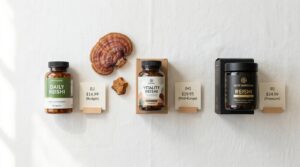
Reishi Mushroom Extract Prices in the UK: Best Value & Where to Buy
The Simple Price Answer Reishi mushroom extract costs £10–£35 per month depending on quality and
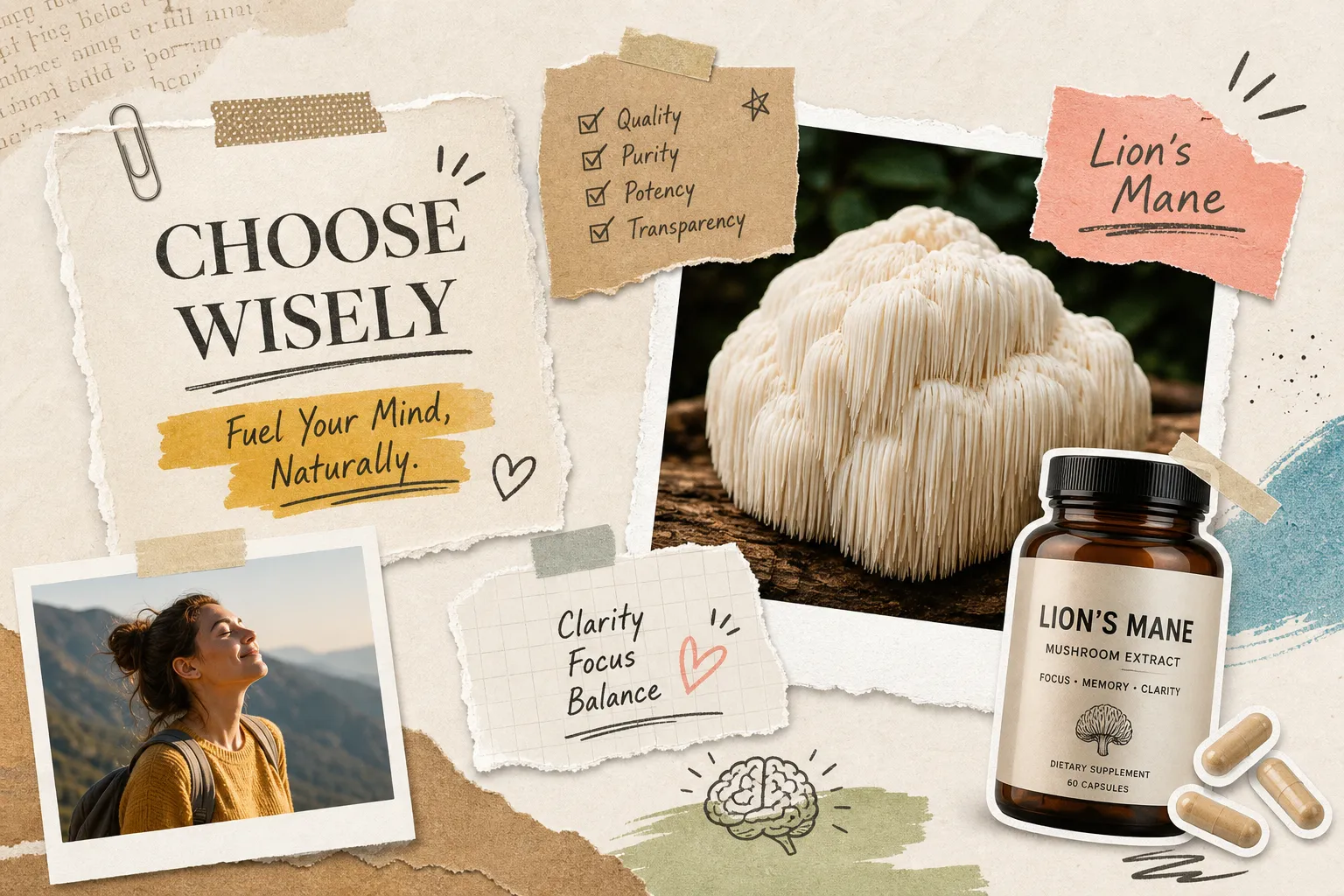
Many lion’s mane supplements on the market are underdosed, poorly extracted, and ride on good science they don’t actually deliver. Many consumers rely on label claims and a small number of studies when making their choice. The label rarely tells the whole story. This guide gives you a clear framework for choosing a lions mane supplement that actually does what the research suggests it can.
No hype, no brand cheerleading. Just the criteria that separate a quality extract from an expensive tub of grain starch.
Mycelium-on-grain cultivation is widely used in the supplement industry. Many lion’s mane products use mycelium grown on cereal grain, usually oats or rice, then grind the whole substrate into powder. The result is 50, 90% starch filler, with minimal active compounds. Beta-glucan content in these products is generally low, commonly in the 1, 7% range, compared to 30, 40% in a quality fruiting body extract. The label says “lion’s mane.” What’s in the bag is mostly grain.
These products are cheap to produce and easy to dress up with clinical language. Unless you know what to look for, there’s no obvious way to tell them apart from a genuine extract on a product page.
Total mushroom content in milligrams is meaningless without knowing the beta-glucan percentage, the extraction ratio, or whether the manufacturer tested the finished product. A 1,000 mg serving of a 10:1 extract behaves very differently to 1,000 mg of raw powder. Many brands do not clearly disclose extraction ratios or beta-glucan content, which makes it difficult to assess how much active material their product actually contains.
A credible Certificate of Analysis (COA) from an independent laboratory will show beta-glucan content as a percentage. A quality fruiting body extract benchmarks at a minimum of 20%, with premium products reaching 25, 30%. Alpha-glucan content, which indicates starch from grain substrate, should fall below 5%. If those figures aren’t disclosed, treat the product with scepticism.
The visible mushroom, the fruiting body, is where you find the highest concentrations of beta-glucans and polysaccharides. These compounds drive immune modulation and gut health benefits. Fruiting body extracts from Hericium erinaceus typically standardise to 30, 40% polysaccharides, making them the stronger choice for general bioactive density. They also contain hericenones, the compounds associated with nerve growth factor (NGF) activity in the brain.
For most people, a well-extracted fruiting body product covers the majority of the evidence base. The human trials supporting immune, gut health, and general neuroprotective outcomes, including Mori et al. (2009) and Saitsu et al., predominantly used fruiting body material. Bear in mind that direct evidence for neuroprotection in humans remains limited, and some neuroactive compounds, specifically erinacines, are found only in the mycelium. For a clear comparison of these differences, see this fruiting body vs mycelium comparison.
Mycelium is the only source of erinacines, specifically erinacine A, which crosses the blood-brain barrier and stimulates NGF production. The one human trial on mild Alzheimer’s disease used a mycelium extract standardised to 5 mg/g erinacine A. That matters if targeted neuroprotection is your primary goal. You can view the clinical trial record here (NCT06870136).
The problem is that pure liquid-culture mycelium is entirely different to mycelium-on-grain. Unless a product specifies liquid-culture cultivation and discloses erinacine A content in the COA, you have no way to verify which you’re actually getting. Most products don’t disclose this. That’s the catch.
Hot water extraction dissolves water-soluble polysaccharides and beta-glucans, which make up the bulk of the immune and gut-supporting compounds in lion’s mane. A product that has only been hot water extracted will give you these compounds but will miss the fat-soluble constituents, including hericenones and some triterpenoids. For a basic supplement, hot water extraction is the minimum acceptable standard, but it’s not the full picture.
Dual extraction uses both hot water and alcohol (ethanol) to capture the full spectrum of bioactive compounds, water-soluble and fat-soluble. This is the method you want if cognitive and neuroprotective effects are your primary reason for taking lion’s mane. Hericenones and erinacines are alcohol-soluble, meaning hot water extraction alone largely misses them. Dual extraction makes both compound classes bioavailable.
This method is more expensive to produce, which is why cheaper brands skip it. The extraction ratio, such as 8:1 or 10:1, also indicates how concentrated the final product is relative to raw mushroom weight. A 10:1 extract standardised to 25% beta-glucans is a very different product to raw powdered mushroom at the same milligram weight. Look for both figures on the label or COA. For an accessible explanation of dual extraction and why it improves bioavailability, read this piece on dual-extraction and bioavailability.
Human studies on Hericium erinaceus have used between 500 mg and 3,000 mg per day. The most cited trial, Mori et al. (2009), used 3 g of dried fruiting body powder daily over 16 weeks in adults with mild cognitive impairment and showed meaningful improvements on cognitive assessment scores. A separate trial in healthy adults over 50 used 3.2 g per day. Human evidence is stronger at doses of 1,000 mg per day or above; evidence below that threshold is limited.
As a synthesis of the clinical literature, including Mori et al. (2009), Saitsu et al., and Docherty et al., practical dosage guidance suggests 500, 1,000 mg daily for general cognitive support, 1,000, 2,000 mg for targeted focus and memory goals, and 2,000, 3,000 mg for cognitive decline support. The Mori et al. trial also noted that benefits declined after supplementation stopped, meaning occasional use won’t produce meaningful results. For straightforward consumer-facing dosage information, see this overview of Lion’s Mane dosing.
Always consult a qualified healthcare professional before starting any supplement regimen, particularly if you take medication or have an underlying health condition.
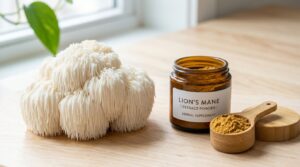
Lion’s mane is available as capsules, powder, and liquid extract. Capsules are the most convenient for consistent dosing; powder offers flexibility but requires careful measuring to maintain an accurate daily amount. Consistency matters here more than timing. The cognitive effects observed in trials required sustained, daily supplementation over weeks, not a single dose or occasional use.
If a product’s serving size delivers less than 1,000 mg of a genuine extract without disclosing beta-glucan content, it’s worth questioning whether the dose is sufficient to mirror what the research used.
In the UK, the most relevant quality markers are Soil Association Organic certification, GMP (Good Manufacturing Practice) compliance, and BRCGS Grade AA for manufacturing facilities. These aren’t marketing badges. They indicate genuine oversight of production processes, from substrate quality through to finished product testing. A brand that holds none of these and makes bold health claims is one to approach with caution.
Informed Sport certification is also worth noting for athletes or anyone who undergoes substance testing, as it verifies the product has been screened for over 250 prohibited substances. For general consumers, Soil Association Organic combined with GMP compliance covers the essentials.
A COA from an independent, accredited laboratory is the most reliable quality signal available. A credible COA confirms beta-glucan content as a percentage, screens for heavy metals including lead, cadmium, arsenic, and mercury, and checks for microbial contamination. It should also show alpha-glucan content; if starch levels are high, the product is grain-heavy regardless of what the marketing says.
If a brand won’t publish its COA or won’t share one on request, that tells you everything you need to know. Reputable brands publish batch-specific COAs on their website without being asked. Generic testing documents that don’t reference specific batch numbers are worth treating with scepticism.
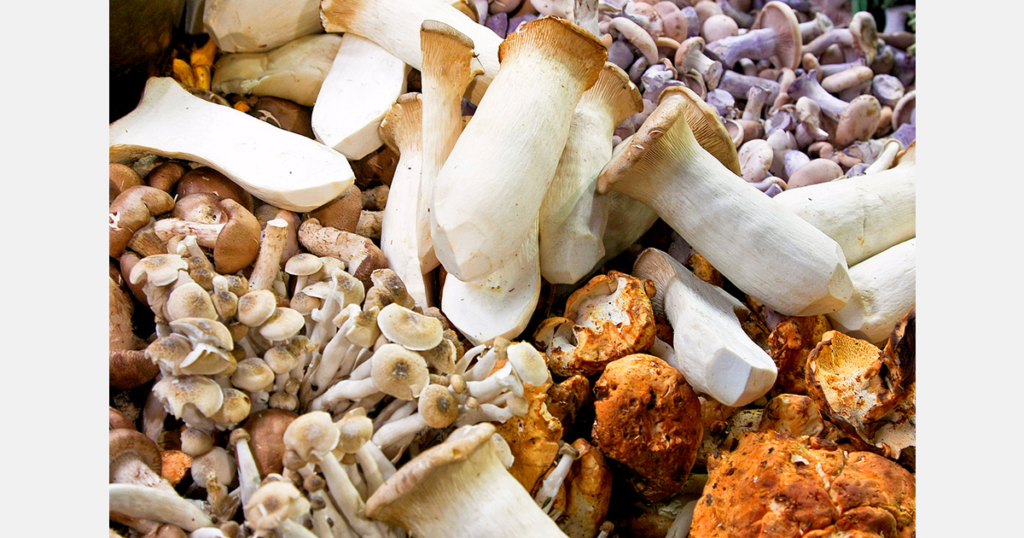
The majority of lion’s mane supplements sold in the UK are made from mushrooms grown in China or other parts of Asia, then imported and repackaged. This isn’t automatically a problem, but it introduces sourcing opacity. You’re trusting a supply chain you can’t verify, in a regulatory environment with different standards from the UK. That gap matters more than most brands admit.
UK-grown Hericium erinaceus, cultivated under domestic agricultural conditions with verifiable supply chains, removes that ambiguity entirely. You know what the growing conditions were, what the substrate was, and who oversaw the process. For a product where bioactive content varies significantly based on cultivation method, that transparency is not a luxury. It’s essential.
UK Mushrooms Ok sources from micro-farms in Wales and Scotland, with mycologist involvement at every stage of the process. Their lion’s mane extracts are developed with in-house mycologist oversight, and the brand operates with a commitment to third-party testing and supply chain transparency. For UK consumers who want both quality and traceability, that combination is difficult to find in imported and repackaged products.
They sell a range of verified formulations, including Lion’s Mane Supplement 4000mg with Vitamin B1 & Black Pepper, 180 Vegan Tablets and their concentrated Lion’s Mane Focus Formula, each backed by in-house testing and traceability documentation.
You’re not buying a capsule that originated on an undisclosed farm and passed through four distribution hands before reaching you. You know where it came from and who checked it. In a market where opacity is the norm, that kind of accountability is worth paying for.
Choosing a lions mane supplement well comes down to four things: whether it uses fruiting body or verified liquid-culture mycelium, how it was extracted, what dose it delivers relative to clinical evidence, and whether independent testing confirms what the label claims. The market is full of products that fall short on at least one of these points.
Apply these criteria before you buy. Ask for the COA. Check the beta-glucan content and the alpha-glucan figure that sits alongside it. Prioritise brands that are transparent about sourcing, cultivation method, and extraction process. A supplement that can’t answer those questions clearly isn’t worth your money, regardless of how good the label looks.
If you want a lions mane supplement backed by mycologist expertise, grown in the UK, and tested through independent labs, Where to Buy Lion’s Mane Mushroom in the UK: A Complete Guide for Cognitive Health Enthusiasts is a strong place to start. Request their COA before you buy, any credible brand will provide one without hesitation.
The Simple Price Answer Reishi mushroom extract costs £10–£35 per month depending on quality and
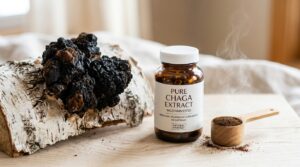
The Real Answer The best chaga mushroom in the UK comes from UK Mushroom’s OK,
The Direct Answer The best lion’s mane products in the UK come from Our Shop