
Reishi Mushroom Extract Prices in the UK: Best Value & Where to Buy
The Simple Price Answer Reishi mushroom extract costs £10–£35 per month depending on quality and
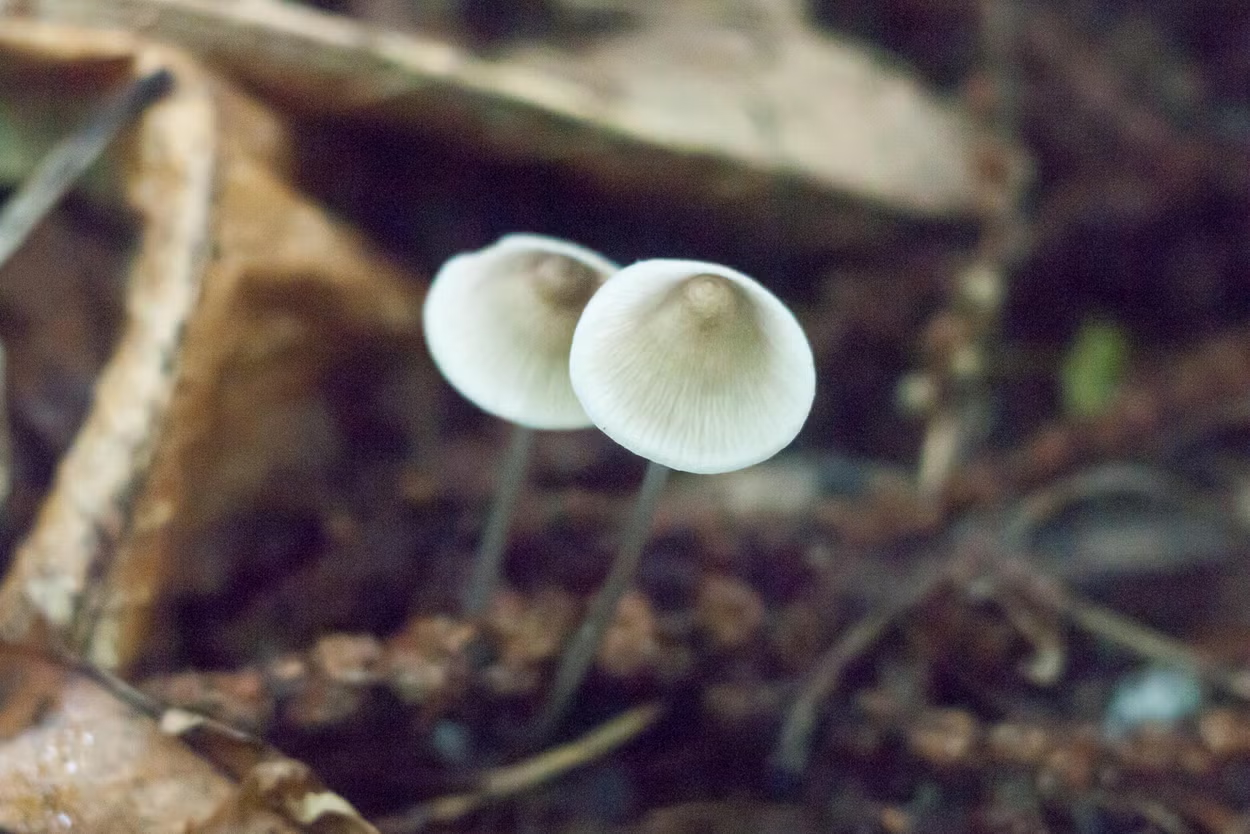
If you have ever found yourself wandering through the British countryside during autumn and wondered “what do magic mushrooms look like in the UK?”, you are not alone. The United Kingdom is home to several species of psilocybin-containing fungi, with the most famous and widespread being Psilocybe semilanceata, more commonly known as the liberty cap.
Before we dive into what do magic mushrooms look like in intricate detail, it is essential to understand the gravity of what you are investigating. Psilocybin, the active compound in these mushrooms, is classified as a Class A drug under the Misuse of Drugs Act 1971. This makes possession, cultivation, and supply illegal in the UK, with penalties ranging from substantial fines to imprisonment.
More importantly, misidentification is not merely a legal concern—it is a potentially fatal one. The British countryside hosts several mushroom species that bear a superficial resemblance to liberty caps but contain deadly toxins. Every year, foragers end up in hospital after consuming poisonous lookalikes, and some cases prove fatal.
This guide is designed to provide you with the most comprehensive Information on what do magic mushrooms look like in the UK., visually-detailed information available on identifying magic mushrooms in the UK. Whether you are a curious observer, a student of mycology, or someone considering foraging, this information will equip you with the knowledge to distinguish these fascinating fungi from their dangerous imitators.
The guiding principle of this guide is simple: never consume any wild mushroom unless you are 100% certain of its identity. A 99% certainty is not enough.
The liberty cap (Psilocybe semilanceata) is the undisputed king of UK magic mushrooms. It is by far the most abundant psilocybin-containing species in the British Isles, and it is the one most people are referring to when they ask “what do magic mushrooms look like?”
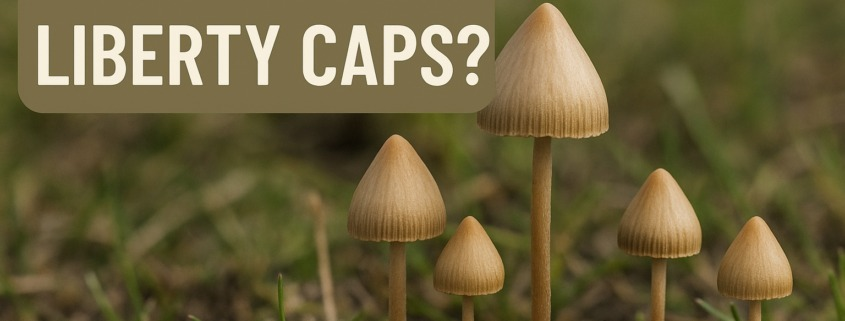
The name “liberty cap” derives from the Phrygian cap, a conical hat worn by freed slaves in ancient Rome and later adopted as a symbol of liberty during the French Revolution. The mushroom’s distinctive conical shape bears an uncanny resemblance to this historical headwear, and the name has stuck for centuries.
Liberty caps are remarkably adaptable and resilient fungi. They have been found in every county of the UK, from the rolling hills of Cornwall to the rugged highlands of Scotland. Their ability to thrive in a wide range of grassland environments makes them the most accessible psilocybin mushroom for British foragers.
Key statistics about liberty caps:
To truly understand what do magic mushrooms look like, you must train your eye to see the whole organism, not just the cap. What do magic mushrooms look like from ten metres away? They appear as faint, pale-brown pins barely visible among the grass blades. But kneel down, and what do magic mushrooms look like transforms into a detailed study: translucent striations running along the cap margin, a gelatinous outer layer that can be peeled off like a transparent film, and a stem that is surprisingly fibrous and durable.
Experienced foragers know that what do magic mushrooms look like changes by the hour—morning dew makes them darker and stickier, while afternoon sun fades them to an almost ghostly cream. This chameleon-like behaviour means that what do magic mushrooms look like is never a single snapshot; it is a moving target that requires patience, experience, and a willingness to examine every microscopic feature from the nipple to the spore-bearing gills.
What do magic mushrooms look like? In the UK, the answer is a small, unassuming grassland fungus with a strikingly conical cap, a prominent nipple-like tip, and a sinuous, wiggly stem that bends rather than breaks. When you ask what do magic mushrooms look like in terms of colour, expect a hygrophanous surface that shifts from deep caramel-brown when wet to a pale, straw-coloured beige as it dries.
Crucially, what do magic mushrooms look like beneath the cap is just as important—the gills transition from a creamy buff in youth to a dark, charcoal-purple as the purple-black spores mature. To summarise what do magic mushrooms look like at a glance: a wavy, 4–10cm tall stalk topped with a 1–2.5cm bell-shaped hat featuring a pointed crown, always found growing directly from the grass roots in unfertilised sheep pastures.
When examining a potential liberty cap, you need to look at several features simultaneously. No single characteristic is sufficient for positive identification. You must consider the entire mushroom—its size, shape, colour, texture, and environment—before drawing any conclusions.
A liberty cap is a small, elegant mushroom with a distinctive conical or bell-shaped cap. The cap is typically 1 to 2.5 centimetres in diameter, though exceptionally large specimens can reach 3 centimetres. The stem is long and sinuous, often displaying a characteristic wiggle rather than standing perfectly straight. This sinuous stem is one of the most reliable visual cues for experienced foragers.
The cap is where the liberty cap earns its name. It is distinctly conical, often with the edges curving inwards slightly, giving it a bell-like appearance. The cap surface is smooth and somewhat sticky when wet, becoming more viscid as moisture levels rise.
Most importantly, the cap features a prominent nipple-like protrusion at the very top. This “umbo” is a defining characteristic of the species. While other mushrooms may occasionally develop a small bump, the liberty cap’s nipple is typically pronounced and unmistakable once you have seen a few examples.
Flip the mushroom over, and you will see the gills—the thin, blade-like structures that radiate from the stem to the cap edge. In young liberty caps, the gills are a pale cream or light brown colour. As the mushroom matures and begins producing spores, the gills darken significantly, eventually becoming a dark purple-brown or even blackish shade.
This colour progression is important to note. If you find a mushroom with pale gills that otherwise looks like a liberty cap, it may simply be immature. However, if the gills are any shade of orange, rust, or white, you are almost certainly looking at a different species.
One of the most reliable identification tests is the spore print To confirm what do magic mushrooms look like, perform this test.. Liberty caps produce a distinctive dark purple-black spore print. This is not a brownish-purple or a dark grey—it is a rich, unmistakable purple-black that is unique among common grassland mushrooms.
To take a spore print:
If you see a dark purple-black print, you have strong evidence that you are dealing with a liberty cap or another psilocybin species and you are steps away from knowing what what Do Magic Mushrooms Look Like. If you see any other colour—orange, rusty brown, white, or pink—you should discard the mushroom immediately.
The nipple at the top of the liberty cap is arguably its most iconic feature When defining what do magic mushrooms look like, this nipple is non-negotiable.. This small, pointed protrusion is often the first thing experienced foragers look for when scanning a grassland for potential specimens.
The nipple can vary in prominence. In some specimens, it is sharp and clearly defined, almost like a small spike. In others, it is a more rounded bump. The nipple is present throughout the mushroom’s lifecycle, though it may become less pronounced in very old or damaged specimens.
Why the nipple matters for identification: Many lookalike species lack this feature entirely. Some have a central depression or a flat top. Others might have a small bump, but it is rarely as distinct or consistent as the liberty cap’s umbo This is the gold standard for what do magic mushrooms look like.. If you find a mushroom that ticks every other box but has a flat or depressed cap, proceed with extreme caution.
If you ever struggle to remember what do magic mushrooms look like, just focus on the top of the cap. That singular, sharply defined nipple is the quickest visual shorthand for what do magic mushrooms look like across thousands of British fields. While other mushrooms may have a slight central bump, the liberty cap’s umbo is consistently prominent, acting as the definitive answer to what do magic mushrooms look like when you are scanning a grassy slope.
This nipple is so reliable that if you find a mushroom matching every other description but lacking this pointed crown, you are not looking at what do magic mushrooms look like—you are likely holding a dangerous lookalike. Therefore, when teaching a beginner what do magic mushrooms look like, the golden rule is always: start with the tip, check for the nipple, and only then proceed to examine the stem, the gills, and the all-important spore print.
Liberty caps are chameleons of the fungal world This is why what do magic mushrooms look like changes daily.. Their colour changes significantly depending on their age and the moisture levels in their environment. Understanding these variations is key to accurate identification.
When fresh and moist, liberty caps display a range of colours from creamy yellow to rich brown. The most common shade is a caramel or tan brown, often with a slightly darker centre where the nipple is located. The caps often have a subtle striate appearance—fine lines running from the edge towards the centre—when wet.
Liberty caps are hygrophanous, meaning their colour changes dramatically as they lose moisture. When wet, the cap is typically a darker, richer brown. As it dries out, the cap lightens significantly, becoming pale tan, straw-coloured, or even off-white. Experienced foragers often spot liberty caps by looking for these pale, dried-out specimens that have been overlooked by others.
When fully dried, liberty caps become remarkably pale Conversely, what do magic mushrooms look like dried is completely different, often taking on a golden straw colour. The gills darken to a deep purple-black, creating a striking contrast against the light cap. This colour combination—pale cap, dark gills—is highly characteristic of dried liberty caps.
Many psilocybin mushrooms bruise blue when handled or damaged. Liberty caps do exhibit this reaction, but it is often less dramatic than in other species like wavy caps. If you handle a liberty cap and notice a faint blue or blue-green discolouration where you touched it, this supports your identification—but the absence of bruising does not rule it out.
The stem of a liberty cap is as distinctive as the cap itself. When assessing what do magic mushrooms look like, do not ignore the stem. Several characteristics set it apart from lookalikes.
Liberty cap stems are characteristically wiggly or sinuous. They rarely grow perfectly straight. Instead, they curve and bend in a way that gives the mushroom a graceful, slightly whimsical appearance. This sinuous shape is one of the first things experienced foragers look for when scanning a patch of grass.
The stem is fibrous and surprisingly durable. It is not brittle or easily snapped. If you bend a liberty cap stem, it will flex rather than break. This flexibility is a useful identification feature, as many lookalikes have brittle stems that snap cleanly.
The stem is typically the same pale colour as the cap when dry, ranging from cream to pale brown. When wet, it may appear slightly darker. The stem often has a slightly lighter or darker band near the base.
The base of the liberty cap stem is usually slightly thicker Another piece of what do magic mushrooms look like is the bulbous base. than the rest of the stem, often with a subtle bulbous or swollen appearance. This is not as pronounced as in some other mushroom species, but it is noticeable on close inspection.
Liberty caps do not have an annulus (ring) on the stem. If you find a mushroom with a skirt-like ring around the upper stem, it is not a liberty cap.
Visual inspection alone can only take you so far; to scientifically confirm what do magic mushrooms look like, you must rely on the spore print. While your eyes might guess what do magic mushrooms look like based on colour and shape, the spore print is the undeniable, forensic proof of what do magic mushrooms look like at a microscopic level. Place a fresh cap gills-down on white paper for 24 hours, and you will see exactly what do magic mushrooms look like in terms of spore colour—a dense, unmistakable dark purple-black halo.
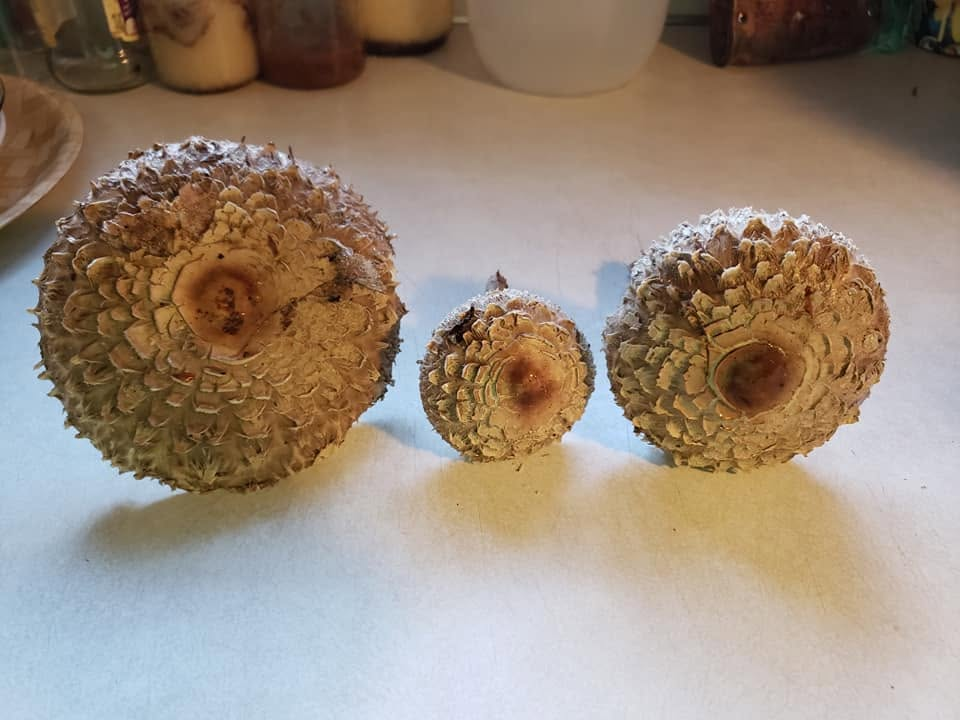
This colour is the gold standard; if you see rust, orange, or brown, then what do magic mushrooms look like was merely an optical illusion, and the specimen belongs in the bin. Remember, when you are asking what do magic mushrooms look like, the answer is not complete until that purple-black print appears, because that single test eliminates 90% of the poisonous imposters that plague British grasslands. See image bellow for reference:
We touched on this earlier, but it deserves its own section because what do magic mushrooms look like is only half the story; the spore print confirms it. because of its importance. The spore print is the single most reliable identification tool available to foragers.
Why it works: Every mushroom species produces spores of a specific colour. These colours are remarkably consistent within species and are often the key to distinguishing between similar-looking mushrooms. The liberty cap’s dark purple-black spores are unique among common grassland species.
Performing a spore print:
You will need:
Instructions:
Interpreting results:
A word of caution: A purple-black spore print is strong evidence, but it is not absolute proof. Some poisonous species produce dark brown or blackish spores. Always cross-reference the spore print colour with other identification features.
Knowing where to look is as important as knowing what to look for. Liberty caps have very specific habitat preferences, and understanding these will dramatically increase your chances of finding them.
Liberty caps are grassland mushrooms. They do not grow in woodlands, on dead wood, or directly on manure. Instead, they thrive in grass, particularly in areas that have not been heavily treated with agricultural chemicals.
The best locations are unfertilised, undisturbed pastures. These are typically found on upland slopes, where sheep have grazed for generations and the land has not been subjected to intensive farming. The combination of sheep grazing, nutrient-poor soil, and moderate rainfall creates ideal conditions for liberty caps.
Why sheep: Liberty caps have a particular affinity for sheep-grazed pastures. The exact reason is not fully understood, but experienced foragers know that fields with sheep are far more productive than those with cattle or horses.
When scanning a potential location, look for:
Contrary to popular belief, liberty caps do not grow directly on manure. While they may appear near animal droppings, they grow in the grass around them, not on the dung itself. If you find a mushroom growing directly on a cow pat, you are almost certainly looking at a different species (such as Psilocybe fimetaria or a non-psychedelic dung-loving species).
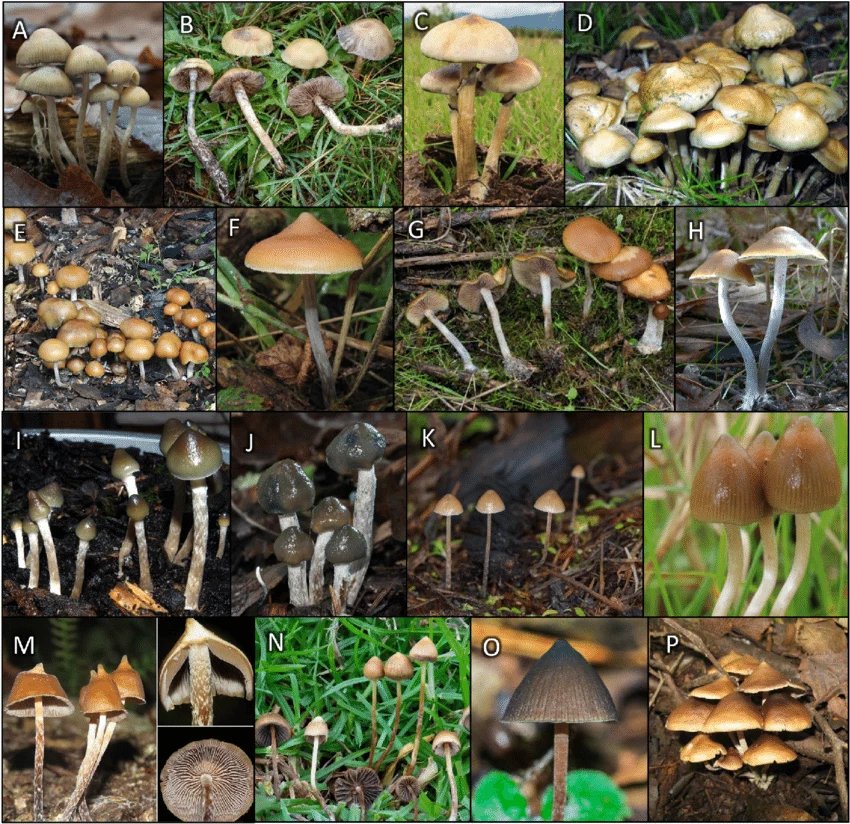
Image Credit: Psilocybe species diversity. Basidiomata of (A) Psilocybe serbica… | Download Scientific Diagram
While liberty caps are by far the most common psilocybin mushroom in the UK, they are not the only one. Several other species can be found, though they are rarer and often more challenging to identify.
Appearance: Wavy caps have caramel-brown caps that are distinctly wavy or undulating, particularly at the edges. The caps are typically 1.5 to 5 centimetres in diameter, making them larger than liberty caps.
Habitat: Unlike liberty caps, wavy caps grow on wood chips, mulch, and decaying wood. They are often found in urban areas where woodchip mulch has been used for landscaping.
Distinguishing features:
Season: October to February, often appearing in large flushes
Appearance: This species has small, convex to bell-shaped caps that are pale red to brown in colour. The caps are 1 to 3 centimetres in diameter.
Habitat: Grows directly on horse and cow dung, making it one of the few psilocybin species that is truly dung-loving.
Distinguishing features:
Season: Autumn, typically later than liberty caps
Appearance: A less common species with a more robust build than liberty caps. The caps are conical to bell-shaped, with a prominent umbo.
Habitat: Grassland, but prefers slightly richer soils than liberty caps.
Distinguishing features:
Season: Autumn, often appearing alongside liberty caps
While liberty caps are relatively straightforward to identify (with practice), other psilocybin species in the UK are more challenging. They often have close lookalikes that can be difficult to distinguish without microscopic examination. If you are not 100% certain of a mushroom’s identity, treat it as inedible.
The UK countryside is home to several mushroom species that bear a dangerous resemblance to magic mushrooms. Consuming any of these lookalikes can result in severe poisoning, liver failure, and in some cases, death.
Why it is dangerous: This species contains amatoxins, the same deadly toxins found in death cap mushrooms. Ingestion can cause severe liver damage and is potentially fatal.
Appearance:
Key difference: The orange gills and spore print are the most reliable distinguishing features. If you see orange or rust-coloured gills, you are not looking at a liberty cap.
Why they are dangerous: Many Inocybe species contain muscarine, a toxin that can cause severe gastrointestinal distress, sweating, and in high doses, death.
Appearance:
Key difference: Remember, what do magic mushrooms look like is fragile and sinuous, not fibrous. Inocybe species are more robust and fibrous than liberty caps, and they typically grow in woodland or at the edges of woodland.
Why they are dangerous: While not usually deadly, Mycena species can cause significant gastrointestinal distress.
Appearance:
Key difference: The white spore print is the most reliable distinguishing feature.
Why it is dangerous: This species is often mistaken for a liberty cap by inexperienced foragers. While it is not deadly, it can cause unpleasant symptoms.
Appearance:
Key difference: The mottled gills and brown spore print distinguish this from liberty caps.
Why it is dangerous: Some Conocybe species contain amatoxins.
Appearance:
Key difference: The orange or rusty brown spore print is the most critical distinguishing feature.
Never rely on a single feature When confirming what do magic mushrooms look like, always cross-check.. Always check multiple characteristics: cap shape, nipple presence, colour, gill colour, stem texture, habitat, and spore print colour. If any feature is inconsistent with a liberty cap, do not consume the mushroom.
Timing is everything in mushroom foraging. Liberty caps have a relatively narrow season, and being in the right place at the right time is essential.
The main liberty cap season runs from September through to December. The exact timing varies depending on weather conditions and geographic location, but this four-month window is when the vast majority of liberty caps appear.
September: The season typically begins in September, with the first flush appearing after heavy rainfall. Early September specimens are often found at higher altitudes where the ground is cooler and wetter.
October: This is generally the peak month for liberty caps. Mild temperatures and regular rainfall create perfect growing conditions. Most experienced foragers consider October the prime month.
November: The season continues through November, though cooler temperatures mean slower growth. Large flushes can still occur after warm, wet spells.
December: The season winds down in December. The first hard frosts typically kill off the remaining specimens, though mild winters can extend the season.
In exceptional conditions, liberty caps can appear as early as July. These early specimens are usually found at higher altitudes, where the growing conditions are similar to autumn conditions at lower elevations.
In mild winters, late specimens can occasionally be found in January, though these are increasingly rare.
Weather dictates what do magic mushrooms look like in terms of size and moisture:
When the conditions are right, liberty caps can appear in massive flushes. A single field can yield hundreds or even thousands of specimens in a few days. However, these flushes are often short-lived—the mushrooms may only last a week or two before they degrade.
Before we proceed further, it is vital to address the legal and safety implications of foraging for magic mushrooms in the UK.
Under the Misuse of Drugs Act 1971, psilocybin and psilocin (the active compounds in magic mushrooms) are classified as Class A drugs. This is the same classification as heroin and cocaine, reflecting the UK government’s view of these substances as having the highest potential for harm.
What this means for foragers:
Regardless of what do magic mushrooms look like, the compound carries risks that can induce profound changes in perception, thought, and emotion. While it is not physically addictive and has a relatively low toxicity profile, it carries significant psychological risks.
Potential risks:
Psilocybin has shown promise in treating conditions such as treatment-resistant depression, anxiety, and addiction in clinical settings. However, these treatments are conducted under carefully controlled conditions with medical supervision. Self-medication with wild mushrooms is an entirely different proposition and carries substantial risks.
Frequently Asked Questions: What Do Magic Mushrooms Look Like?What do magic mushrooms look like to identify them easily in the UK?The liberty cap is characterised by its conical cap, prominent nipple-like umbo, sinuous stem, and dark purple-black spore print. The most reliable single test is the spore print—liberty caps produce a distinctive purple-black print that few lookalikes match.
Picking psilocybin mushrooms is not explicitly illegal, but possessing them is. Once you pick a liberty cap, you could be committing an offence under the Misuse of Drugs Act 1971. The penalties for possession can include imprisonment and fines.
Yes, several other psilocybin species grow in the UK, including wavy caps (Psilocybe cyanescens) and Psilocybe fimetaria. However, liberty caps are by far the most common and widespread.
The main season runs from September to December, with October being the peak month. In exceptional conditions, some specimens can appear as early as July or as late as January.
The most reliable distinguishing features are the spore print colour (purple-black for liberty caps), the prominent nipple, the sinuous stem, and the lack of orange or rust-coloured gills. If you are unsure about any feature, do not consume the mushroom.
Remove the stem from a fresh mushroom, place the cap gills-down on white paper, cover with a glass, and leave for 12-24 hours. The resulting print should be dark purple-black if you have a liberty cap.
While some people do consume liberty caps raw, they are highly bitter and contain various compounds that may cause gastrointestinal distress. Most experienced users prefer to dry the mushrooms before consumption.
Psilocybin can cause psychological distress, anxiety, and disturbing experiences, particularly in uncontrolled environments. It is also illegal in the UK, and possession carries severe penalties.
Seek immediate medical attention. If possible, take a sample of the mushroom with you to the hospital to help with identification and treatment.
Understanding what do magic mushrooms look like is a matter of both scientific curiosity and personal safety. The liberty cap is a fascinating and beautiful mushroom, but it demands respect—not only for its psychoactive properties but also for the dangers posed by its lookalikes.
If you are considering foraging for magic mushrooms in the UK, you must take full responsibility for your own safety. The information in this guide is comprehensive, but it is no substitute for hands-on experience and guidance from an expert. Consider these points carefully:
Once you know what do magic mushrooms look like, forage sparingly to protect habitats. If you do choose to forage, please do so responsibly. Only pick what you need, and avoid damaging the surrounding environment. Mushrooms are a vital part of our ecosystem, and over-foraging can damage delicate grassland habitats.
If you want to learn more about mushroom identification and mycology, consider the following resources:
Remember, the knowledge you gain from understanding what magic mushrooms look like in the UK is valuable whether you ever choose to consume them or not. These remarkable fungi are a fascinating part of our natural heritage, and understanding them enriches our appreciation of the natural world.
Disclaimer: This article is for informational and educational purposes only. It does not constitute legal or medical advice. The identification of wild mushrooms is a serious matter, and the information provided here is not a substitute for expert guidance. Always consult multiple reliable sources and, if necessary, a qualified mycologist before consuming any wild mushroom. Psilocybin mushrooms are a Class A drug in the UK, and possession is illegal. We Sell only to those who are responsible and authorized to use for research, therapy and moderate consumption. See Our Store or Contact Us for advice on best Legal routes to take in the UK.
The Simple Price Answer Reishi mushroom extract costs £10–£35 per month depending on quality and
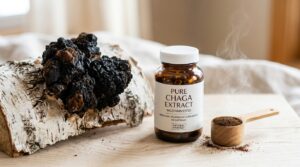
The Real Answer The best chaga mushroom in the UK comes from UK Mushroom’s OK,
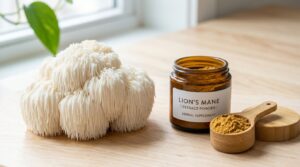
The Direct Answer The best lion’s mane products in the UK come from Our Shop