€70.00
MDMA (3,4-methylenedioxymethamphetamine) is a popular psychoactive substance that is commonly known as ecstasy or molly. It is often found in the form of tablets, capsules, or powder and is primarily used for recreational purposes. MDMA is known for its euphoric effects, including feelings of emotional warmth, empathy, enhanced sensory perception, and energy.
Here are some key points about MDMA tablets:
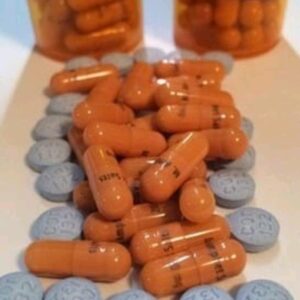
MDMA Tablets: The tablets can vary in color, shape, and size, and they may contain other substances or fillers alongside MDMA. Some tablets are pressed with logos or symbols, which can make it difficult to identify their purity or dosage. MDMA can also be adulterated with other substances, which is a major concern in terms of safety.
Purity: MDMA tablets often vary in purity. Some may be cut with other stimulants or psychoactive substances, such as caffeine, methamphetamine, or synthetic cathinones, which can increase the risk of adverse effects.
Positive Effects: MDMA is known for its empathogenic and entactogenic effects, meaning it often promotes feelings of emotional closeness, euphoria, and a sense of connection with others.
Negative Effects: MDMA can cause dehydration, hyperthermia (elevated body temperature), jaw clenching, nausea, and increased heart rate. It can also lead to a “comedown” or aftereffects, including fatigue, depression, and anxiety.
Neurotoxicity: Chronic or heavy use of MDMA can potentially lead to serotonin depletion, which might contribute to long-term cognitive or emotional issues.
The typical recreational dose of MDMA is between 75 mg and 125 mg. However, the effects depend on individual factors like body weight, tolerance, and the presence of other substances in the tablet.
The effects usually begin within 30 to 60 minutes after ingestion and can last between 3 to 6 hours.
Overheating and Dehydration: One of the risks associated with MDMA is overheating, especially in party environments (such as raves or festivals) where users may dance for extended periods. This can lead to heat stroke or other heat-related complications.
Adulterants: MDMA tablets are often mixed with other substances, which increases the risk of unexpected or harmful effects.
Serotonin Syndrome: Taking MDMA with other substances that increase serotonin levels, like certain antidepressants, can lead to serotonin syndrome, a potentially life-threatening condition.
MDMA is illegal in many countries, including the U.S. and most European nations, due to its potential for abuse and lack of medical approval for recreational use. However, there is growing interest in its potential therapeutic uses, particularly in the treatment of PTSD (Post-Traumatic Stress Disorder).
Contact Us for more information, we guarantee discreet delivery in cases where there is no authority backing your purchase, this is because we believe everyone needs to explore the world in their own way; We provide resources to learn more so you know what you are doing