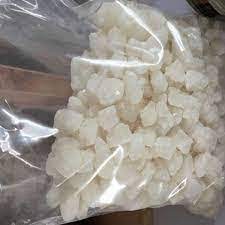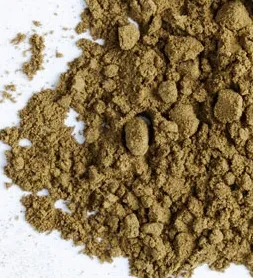
€80.00 Original price was: €80.00.€75.00Current price is: €75.00.
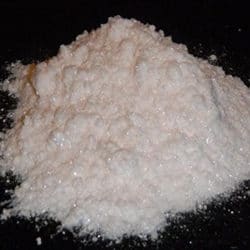
Heroin is a highly addictive, illegal opioid drug (See Legal and Social Context below) made from morphine, a natural substance found in the opium poppy. Chemically known as diacetylmorphine, it enters the brain very quickly and is converted back into morphine, producing intense euphoria, pain relief, and deep relaxation. These effects occur because heroin activates the brain’s mu-opioid receptors, which regulate reward, pain, and breathing. Its rapid impact makes it particularly addictive and can lead to tolerance, dependence, and severe withdrawal symptoms. Long-term use harms multiple organs, weakens the immune system, and alters brain function. Most dangerously, heroin can slow or stop breathing, making overdose a major risk, especially when mixed with other depressants or substances like fentanyl.
Heroin is the common name for diacetylmorphine or diamorphine.
It is a semi-synthetic opioid—meaning it is created from a natural opioid (morphine) through a simple chemical modification.
Chemically, it is more lipid-soluble than morphine, which allows it to cross the blood–brain barrier extremely quickly.
Heroin reaches the brain in seconds. Once inside the brain:
It is rapidly converted back into morphine.
Morphine molecules bind to mu-opioid receptors, which regulate:
Pain perception
Reward and pleasure
Stress response
Breathing
The result is:
Euphoria
Warmth, relaxation
Pain relief
Slowed breathing and heart rate
The intense, rapid euphoria is a major reason why heroin has such high addiction potential.
Heroin overstimulates the brain’s dopaminergic reward circuitry, especially:
The ventral tegmental area (VTA)
The nucleus accumbens
The prefrontal cortex
This artificially large dopamine surge teaches the brain to associate heroin with a powerful reward, overriding normal survival motivators like food or social bonding.
With repeated use:
The brain reduces its natural opioid receptor activity.
More heroin is needed to achieve the same effect.
The body begins to function normally only with heroin present. Without it, the user experiences withdrawal symptoms.
Long-term heroin use can lead to:
Impaired decision-making
Altered stress response
Decreased impulse control
Chronic depression and anxiety
These changes may persist long after drug use stops.
Euphoria (“rush”)
Flushed skin
Dry mouth
Heavy limbs
Slowed breathing
Nausea and vomiting
Itching
Chronic constipation and gastrointestinal problems
Hormonal dysfunction (e.g., reduced libido)
Immunosuppression
Increased pain sensitivity over time (opioid-induced hyperalgesia)
Cognitive impairment
Heart infections, liver/kidney issues (often due to contaminants or route of administration)
Heroin itself depresses the respiratory centers of the brain, making overdose extremely dangerous.
A heroin overdose typically involves:
Respiratory depression (breathing slows or stops)
Unconsciousness
Blue lips or nails
Pinpoint pupils
Overdose is more common when:
Heroin is mixed with fentanyl
The person has reduced tolerance
Other depressants (alcohol, benzodiazepines) are involved
Naloxone can reverse an opioid overdose by displacing opioids from mu-receptors.
Heroin addiction is a chronic but treatable medical condition. It involves:
Compulsive use despite harm
Loss of control
Cravings
Continued use despite social, legal, or health consequences
Biologically, addiction is driven by:
Neurochemical dependence
Altered reward pathways
Stress-related changes in the amygdala
Impairment in the prefrontal cortex
Evidence-based treatments include:
Methadone: fully activates opioid receptors but in a controlled, safer way
Buprenorphine: partially activates receptors, reducing cravings
Naltrexone: blocks opioid receptors
These medications:
Reduce overdose risk
Improve long-term recovery outcomes
Restore brain chemistry over time
Cognitive Behavioral Therapy (CBT)
Contingency management
Support groups
Trauma-focused therapy
People can and do recover fully from heroin addiction with the right supports.
Heroin is:
Classified as a Schedule I drug in the U.S. (no legal medical use)
Illegal in most countries
However, diamorphine is legally used in some countries (e.g., the UK) for severe pain, such as in palliative care, under strict medical supervision.